
Search has fundamentally changed. By 2026, over 60% of search queries will be answered directly by AI systems like ChatGPT, Perplexity, and Google's AI Overviews: without users ever clicking through to websites. This isn't a distant possibility; it's happening now.
The problem? Most content wasn't built for AI consumption. Traditional SEO audits focus on keyword density and meta tags, but AI systems prioritize citation-worthiness, authority signals, and structured clarity. Your perfectly optimized content might be invisible to the algorithms that matter most.
Here's the solution: AI-specific content auditing that evaluates how well your content performs in the new search landscape.
Why Traditional Content Audits Miss the Mark
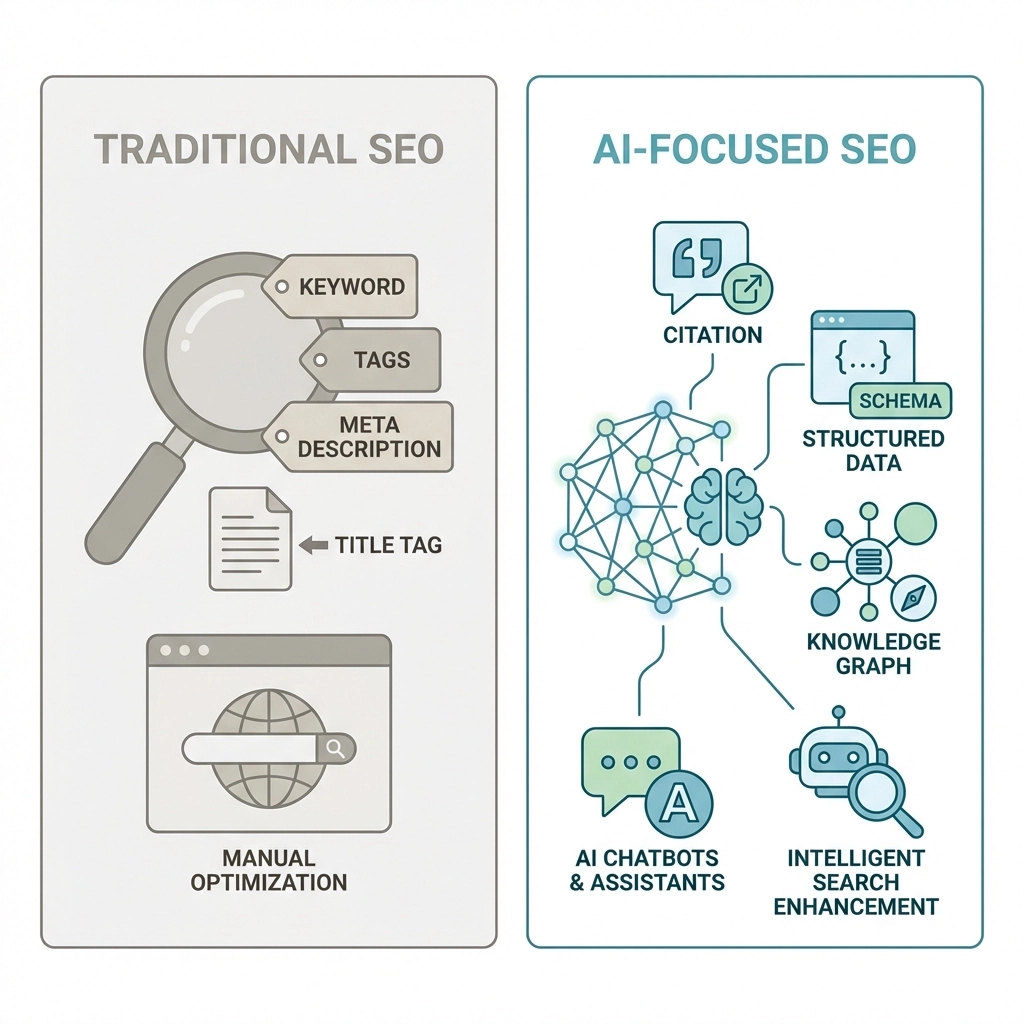
Traditional SEO audits check for title tags, meta descriptions, and keyword placement. AI Content Readiness Audits examine entirely different factors:
Traditional Audit Focuses On:
- Keyword density and placement
- Meta tag optimization
- Page speed and technical factors
- Internal linking structure
AI Readiness Audit Evaluates:
- Citation potential and authority signals
- Content structure for AI parsing
- Expertise and trustworthiness indicators
- Answer-focused formatting
- Semantic clarity and depth
The shift is dramatic. Content that ranks #1 in traditional search might score poorly for AI readiness: and vice versa.
How the AI Content Readiness Auditor Works
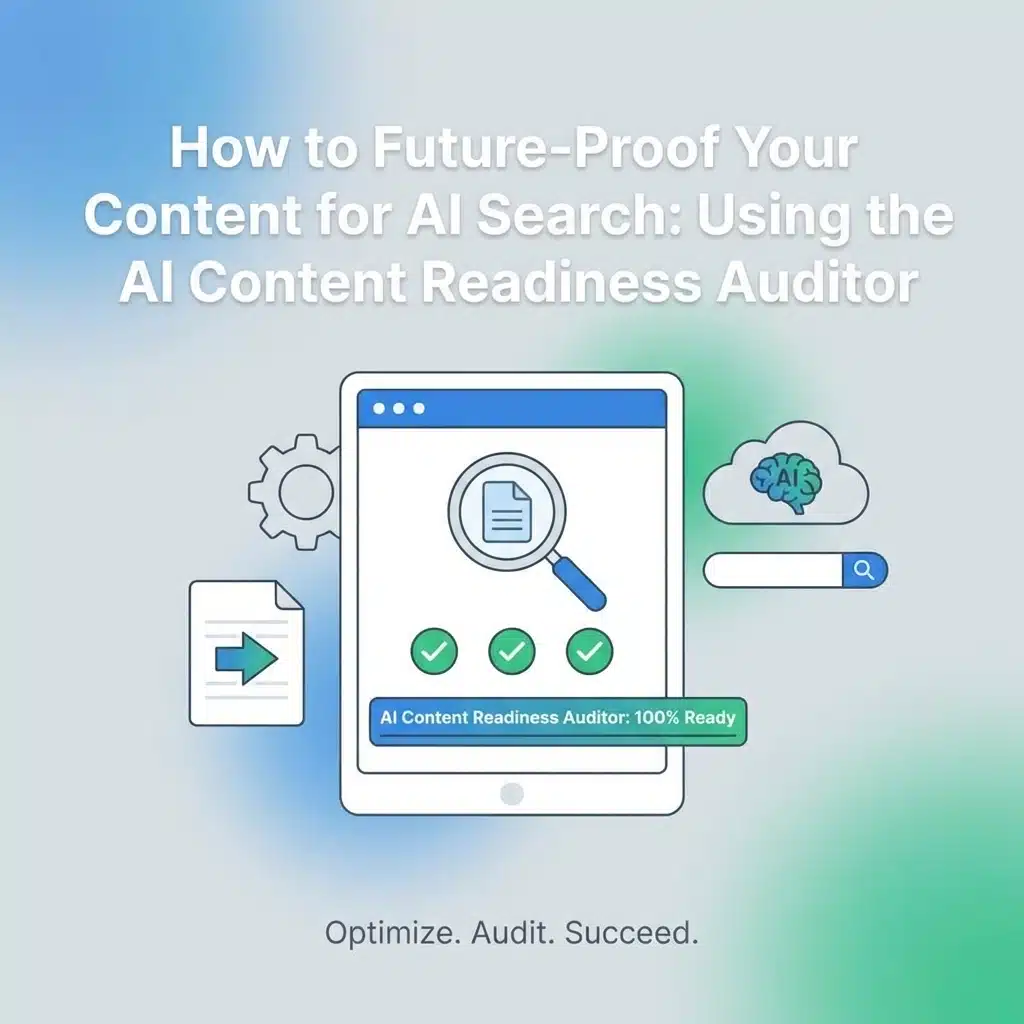
Expert SEO Consulting's AI Content Readiness Auditor evaluates content across four critical dimensions that determine AI citation potential:
1. Structure Analysis (25% of Score)
AI systems prioritize content with clear hierarchical structure. The tool checks for:
- Header hierarchy logic – H1 → H2 → H3 flow without gaps
- Content section organization – Logical progression from introduction to conclusion
- Answer-focused formatting – Direct responses to common questions
- List and bullet point usage – Scannable information blocks
Real-World Fix Example: A financial services page scored 23/100 on structure because it buried key information in dense paragraphs. After restructuring with clear headers like "What is a 401(k)?" and "How Much Should You Contribute?" the structure score jumped to 87/100.
2. Clarity Assessment (30% of Score)
AI systems need unambiguous content to generate accurate responses. The auditor evaluates:
- Sentence complexity and readability – Avoiding overly technical jargon
- Concept explanation quality – Clear definitions and examples
- Context completeness – Self-contained sections that don't require external context
- Answer directness – Immediate responses to implied questions
Real-World Fix Example: A software tutorial scored poorly (34/100) because it assumed prior knowledge. Adding definition boxes for technical terms and step-by-step explanations boosted clarity to 78/100.
3. Authority Indicators (25% of Score)
AI systems heavily weight expertise signals when deciding what to cite. The tool scans for:
- Author credentials and bio information – Expertise indicators
- Company background and experience – Industry authority
- Supporting data and statistics – Third-party validation
- Case studies and examples – Real-world proof points
- Citation of reputable sources – External authority signals
Real-World Fix Example: A marketing agency's blog post about social media strategy scored 45/100 on authority. Adding author bylines with credentials, company case study results, and industry statistics increased the authority score to 82/100.
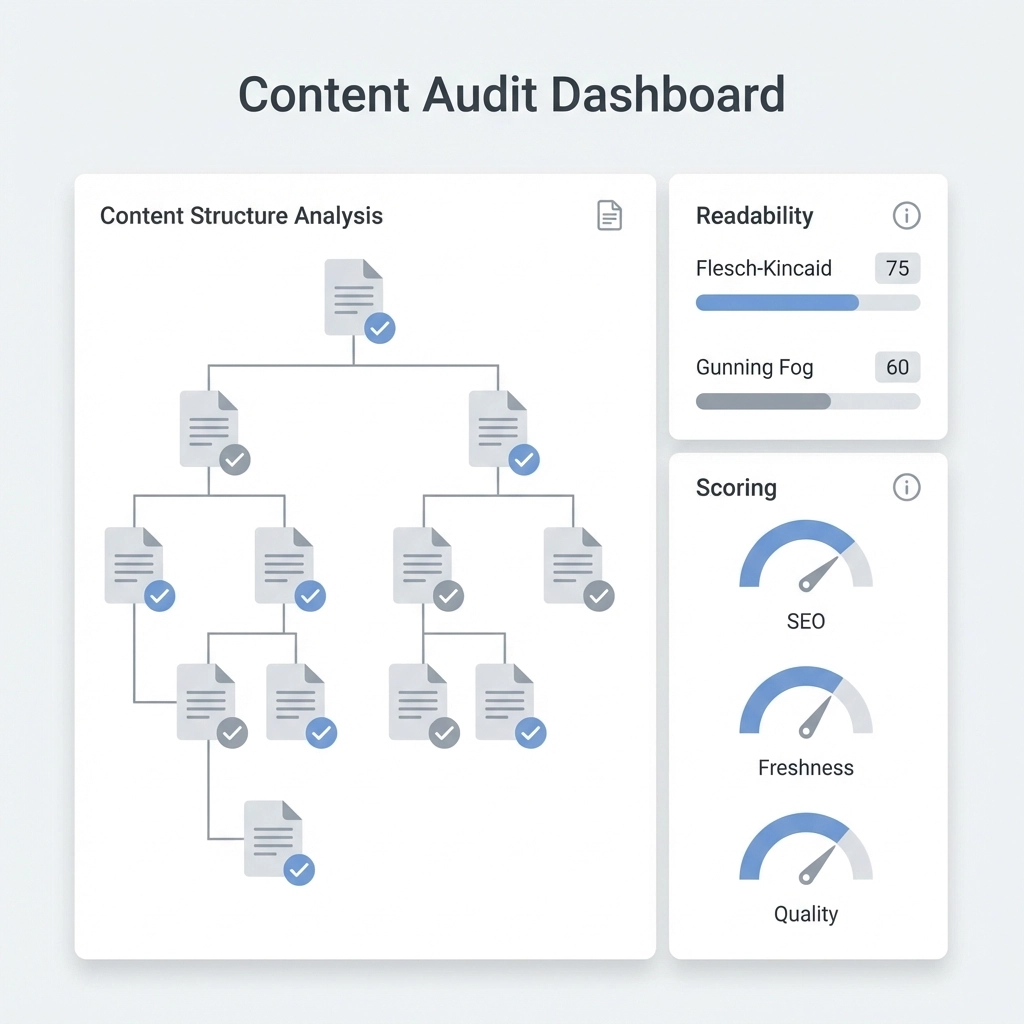
4. Technical Optimization (20% of Score)
While less critical than content factors, technical elements still matter for AI discoverability:
- Schema markup implementation – Structured data for AI understanding
- Image alt text quality – Descriptive, context-rich alternatives
- Internal linking relevance – Topical authority signals
- Page loading speed – Accessibility for AI crawlers
Step-by-Step Audit Process Using the Tool
Step 1: Input Your Content
The AI Content Readiness Auditor accepts either:
- URL analysis – Automatically crawls and evaluates live content
- Direct text input – Paste content for pre-publication assessment
For comprehensive site analysis, start with your highest-traffic pages or most important conversion content.
Step 2: Review Your Scores
The tool generates an overall AI Readiness Score (0-100) plus individual category breakdowns:
- 90-100: Excellent AI citation potential
- 70-89: Good readiness with minor improvements needed
- 50-69: Moderate readiness requiring significant optimization
- Below 50: Poor AI readiness needing major restructuring
Step 3: Prioritize Issues by Severity
The auditor categorizes findings into three severity levels:
Critical Issues – Immediate fixes required for basic AI readiness
Important Issues – Significant impact on citation potential
Minor Issues – Nice-to-have improvements for optimal performance
Focus on critical issues first for maximum impact with minimal effort.
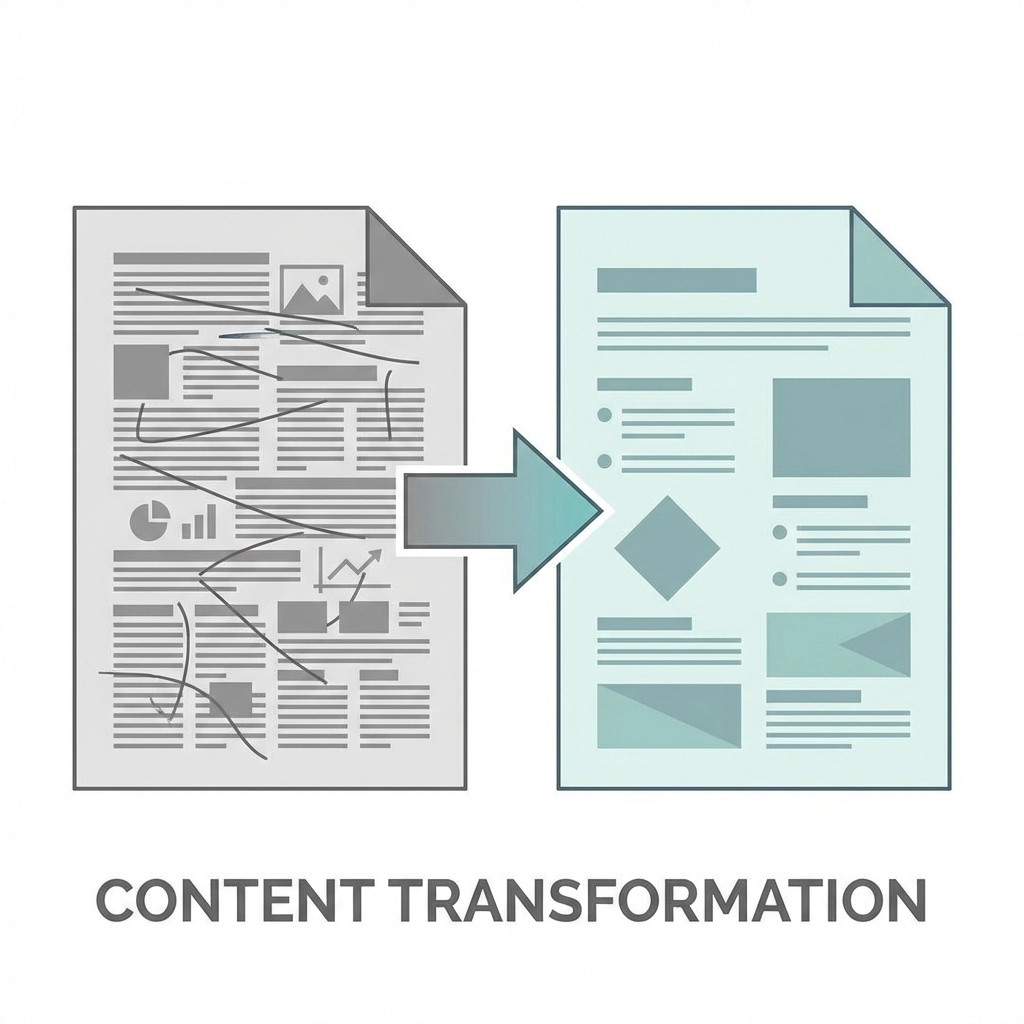
Common AI Readiness Issues and Fixes
Based on thousands of audits, these patterns consistently emerge:
Issue #1: Buried Answers (Found in 73% of Audits)
Problem: Key information hidden in paragraph text instead of clear, scannable format.
Fix: Restructure content with direct question-answer pairs. Use headers like "What is…" or "How to…" followed by immediate, concise answers.
Issue #2: Missing Expertise Signals (Found in 68% of Audits)
Problem: No author credentials, company background, or authority indicators visible to AI systems.
Fix: Add author bio boxes, company experience statements, and relevant credential mentions within content body (not just footers).
Issue #3: Unclear Context (Found in 61% of Audits)
Problem: Content assumes prior knowledge or references external information without context.
Fix: Make each section self-contained. Define acronyms, explain industry terms, and provide necessary background within the content.
Issue #4: Poor Supporting Data (Found in 58% of Audits)
Problem: Claims without statistics, examples, or third-party validation.
Fix: Add specific percentages, case study results, industry research citations, and real-world examples throughout content.
Creating Your AI-Ready Content Strategy
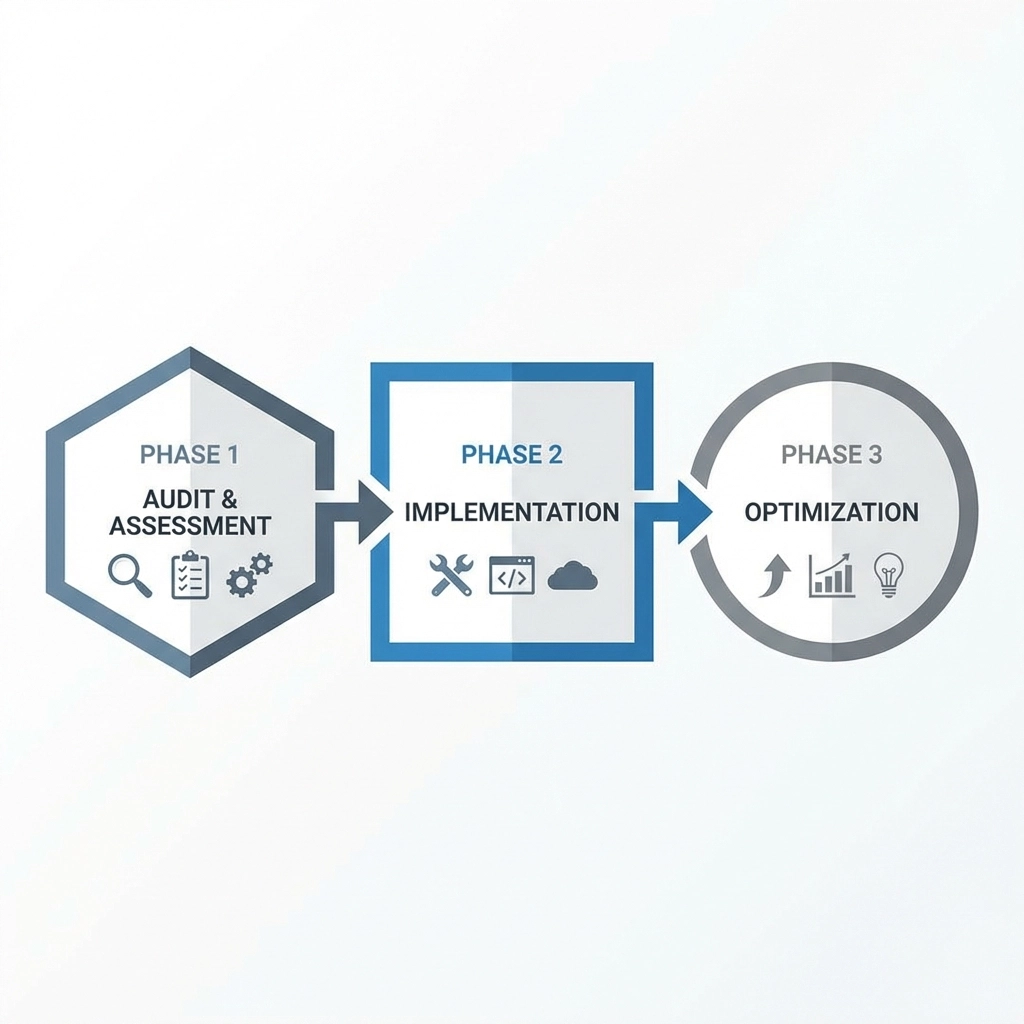
Phase 1: Audit Existing Content (Week 1-2)
- Identify priority pages – Focus on high-traffic, conversion-important content
- Run comprehensive audits using the AI Content Readiness Auditor
- Create improvement roadmap – Prioritize by score and business impact
Phase 2: Implement Quick Wins (Week 3-4)
- Add expertise signals – Author bios, credentials, company background
- Restructure for clarity – Clear headers, direct answers, logical flow
- Include supporting data – Statistics, examples, third-party validation
Phase 3: Comprehensive Optimization (Month 2)
- Rewrite low-scoring content – Focus on pages below 50/100
- Enhance technical elements – Schema markup, internal linking
- Create answer-focused sections – FAQ formats, step-by-step guides
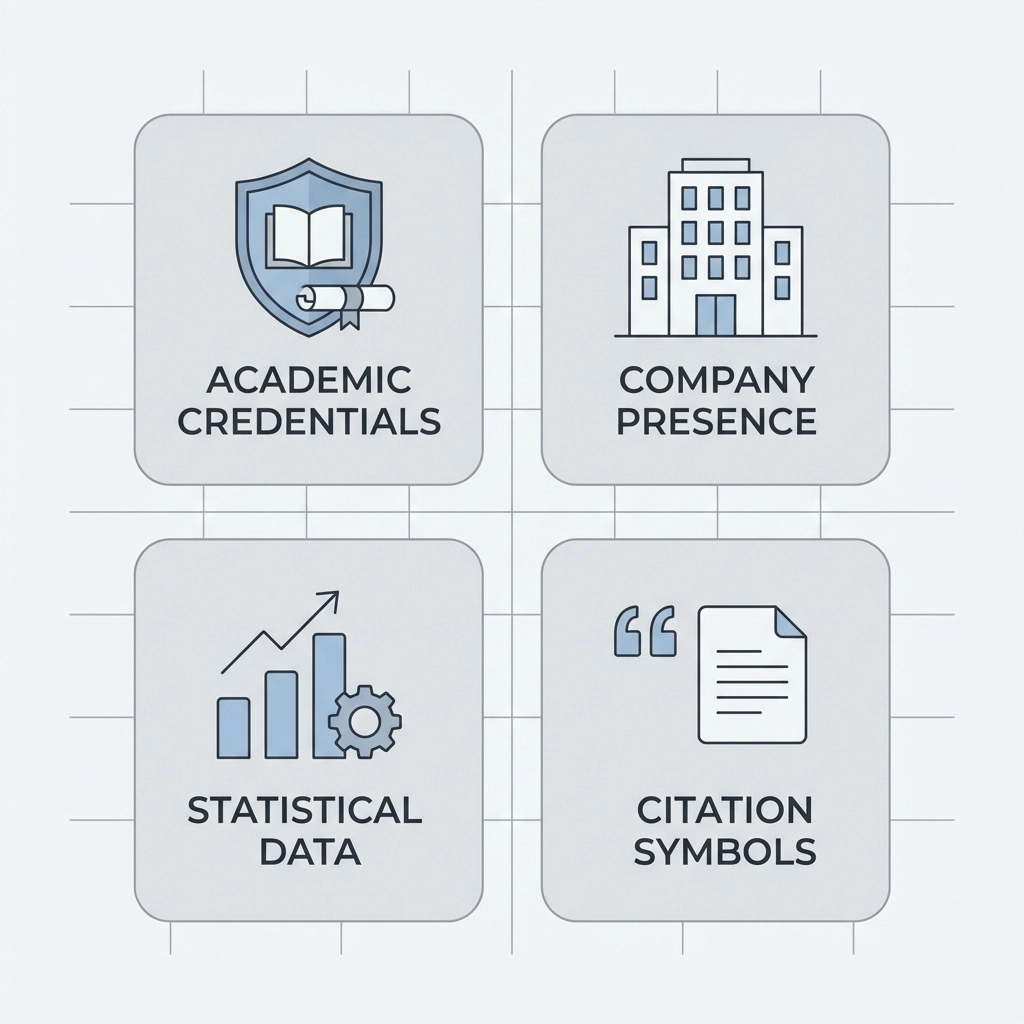
Measuring Your AI Readiness Improvements
Track these key metrics to measure success:
Content Performance Indicators:
- AI Readiness Scores (target: 80+ for priority pages)
- Time spent on page (should increase with better clarity)
- Internal link click-through rates (indicates improved relevance)
AI Visibility Metrics:
- Mentions in AI-generated responses (use AI Citation Tracker)
- Brand references in AI platforms
- Featured snippet captures (AI systems often reference these)
The 2026 Advantage: Why This Matters Now
Companies implementing AI-ready content strategies now gain significant advantages:
First-Mover Benefits: AI systems build citation preferences based on historical quality signals. Early optimization creates lasting advantages.
Competitive Gaps: Most businesses haven't adapted content strategies for AI search. Proper optimization creates differentiation opportunities.
Compound Returns: AI-optimized content performs better in traditional search too, creating dual benefits from single optimization efforts.
Next Steps: Making Your Content AI-Ready
The shift to AI-dominated search is accelerating. Businesses that adapt their content strategies now will capture disproportionate visibility as AI systems become the primary search interface.
Start with your most important content. Run it through the AI Content Readiness Auditor, implement the recommended fixes, and measure the improvements in both AI readiness scores and search performance.
The future of search visibility belongs to content that AI systems trust enough to cite. Make sure your content is ready.
Ready to future-proof your content strategy for the AI search era? Book a consultation to discuss a comprehensive AI readiness assessment for your website.