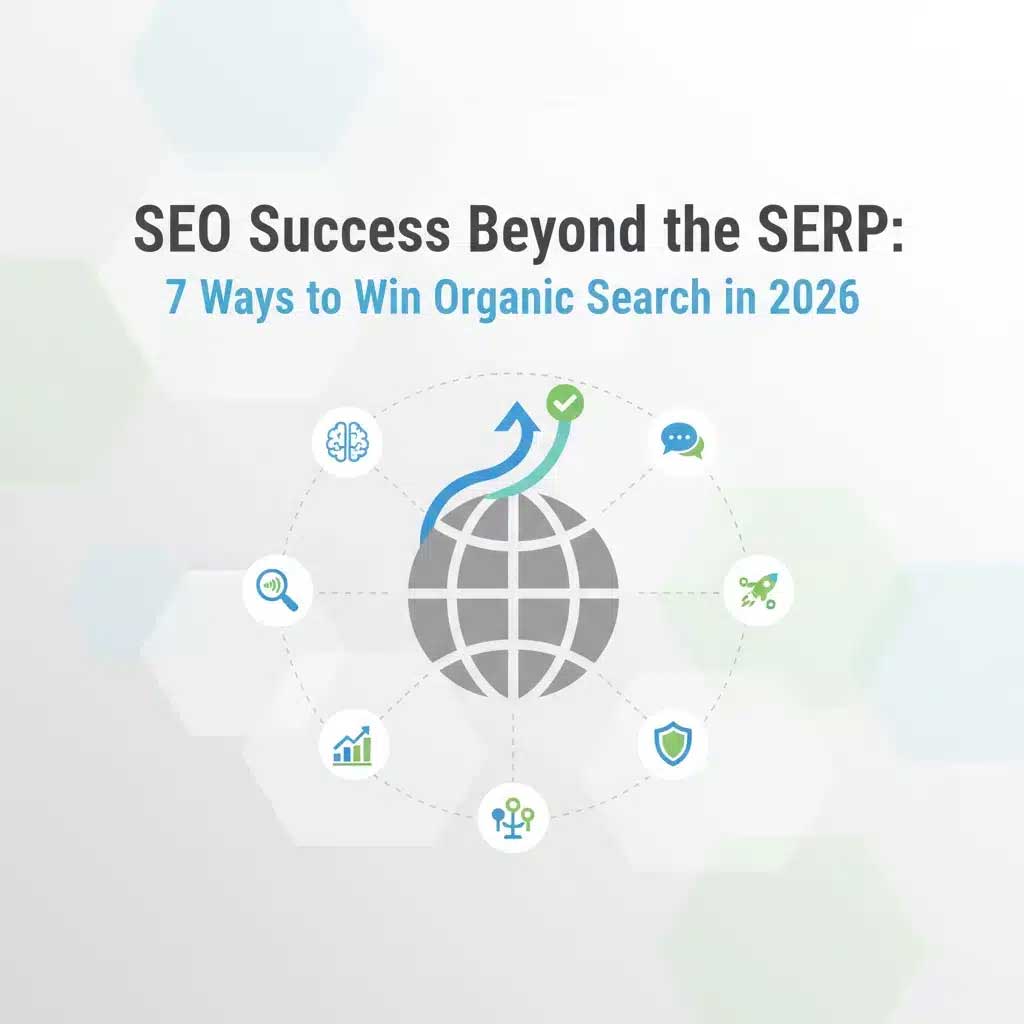
The traditional SERP is dead: and 86% of SEO professionals who haven't adapted their strategy are about to find out the hard way. In 2026, search engine optimization is no longer about chasing that coveted #1 ranking for your target keyword. The game has fundamentally changed, and brands that cling to outdated ranking obsessions will watch their organic traffic evaporate as AI-driven search experiences reshape how users discover and consume information.
Here's the reality: Google's search results page now features AI Overviews, video carousels, People Also Ask sections, shopping results, and discussion forums: all competing with traditional blue links for user attention. Meanwhile, 17% of top search results now contain AI-written content, and users increasingly turn to AI platforms like ChatGPT and Perplexity for quick answers.
The brands winning in this new landscape have shifted their focus from SERP positions to search ecosystem dominance. They understand that success means commanding visibility across multiple platforms, formats, and AI interfaces: not just ranking #1 on Google.
1. Master True SERP Diversification
Ranking #1 for your target keyword means nothing if you're invisible everywhere else users actually look. Modern search success requires presence across the full search experience, not just classic blue link results.
Your content needs to appear in:
- AI Overviews in Google's AI-powered search results
- People Also Ask sections and related queries
- Video carousels from YouTube, TikTok, and other platforms
- Image packs and visual results
- Shopping results and product listings
- Discussion forums and community content
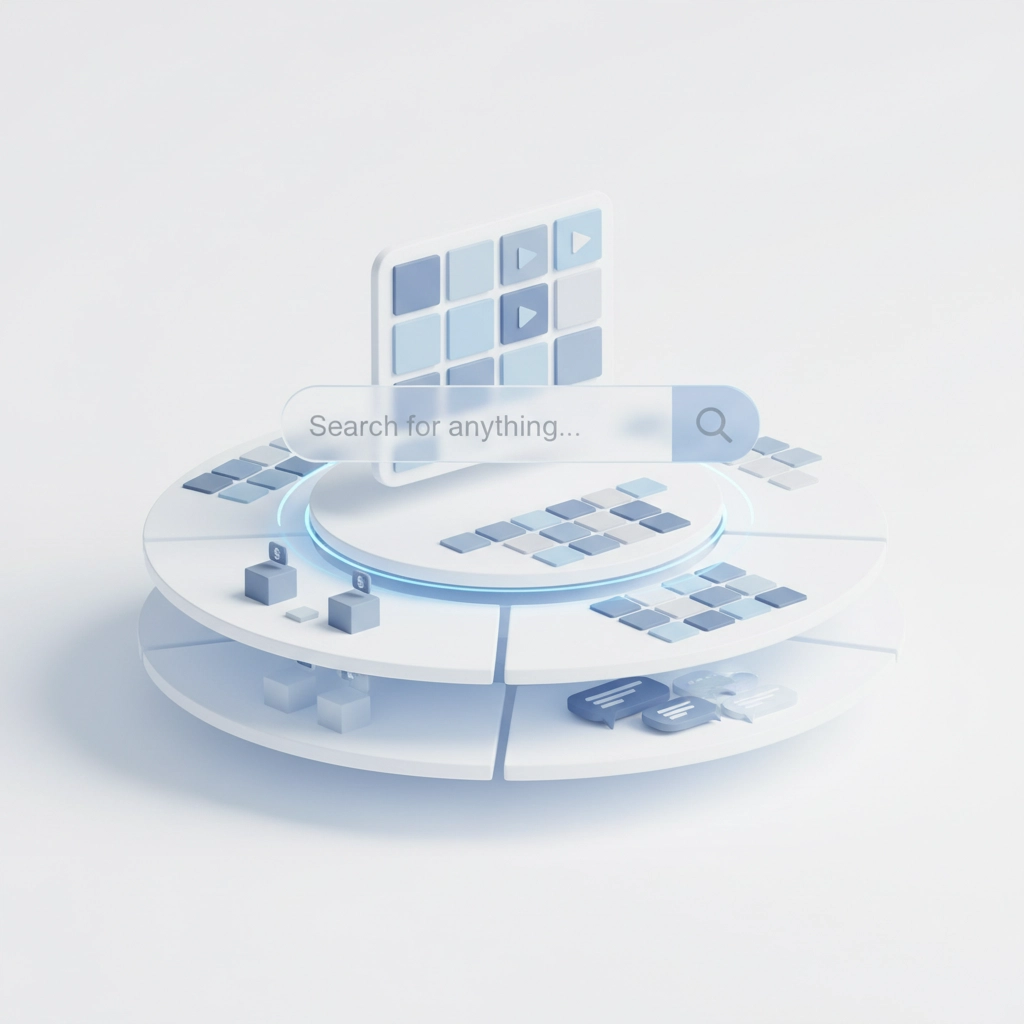
Most marketers focus too narrowly on one channel while missing opportunities across the broader search ecosystem. The real competitive advantage comes from understanding how your brand appears across all these touchpoints simultaneously. Companies that measure combined search impact across these channels see 340% higher organic visibility than those focused solely on traditional rankings.
Action step: Audit your current visibility across all SERP features for your primary keywords. If you're only appearing in organic blue links, you're missing 70% of available search real estate.
2. Prioritize Visitor Quality Over Volume
Traditional SEO metrics like click-through rate and impressions tell only part of the story. In 2026, the quality of visitors matters exponentially more than quantity.
The shift toward demand-led content strategies that build genuine audience affinity has proven more sustainable than algorithmic visibility tactics. Brands that attract users with genuine intent and higher propensity to convert consistently outperform those chasing vanity metrics.
This means tracking:
- Time spent on site and pages per session
- Conversion rates from organic traffic
- Lead quality and customer lifetime value
- Brand mention sentiment and authority signals
Companies focusing on visitor quality see 250% higher conversion rates from their organic traffic compared to those optimizing purely for volume.
3. Build Omnichannel Brand Authority
SEO is no longer siloed: it's inseparable from brand marketing, PR, paid search, and social media strategies. The brands that AI platforms recognize and prefer to cite are those with strong omnichannel presence and credible third-party validation.
Critical integration points:
Align PR with SEO: Leverage press coverage and media mentions to build brand authority signals that AI systems recognize. Original research and data-driven insights earn organic citations across platforms.
Expand brand mentions: Through influencer partnerships and affiliate networks: especially critical in AI-driven recommendations where LLMs often highlight only a few sources.
Invest in deep topical authority: Through whitepapers, industry reports, and citation-worthy insights that earn organic mentions across platforms.
Build social proof: Through podcast appearances, interviews, and reviews on third-party websites.
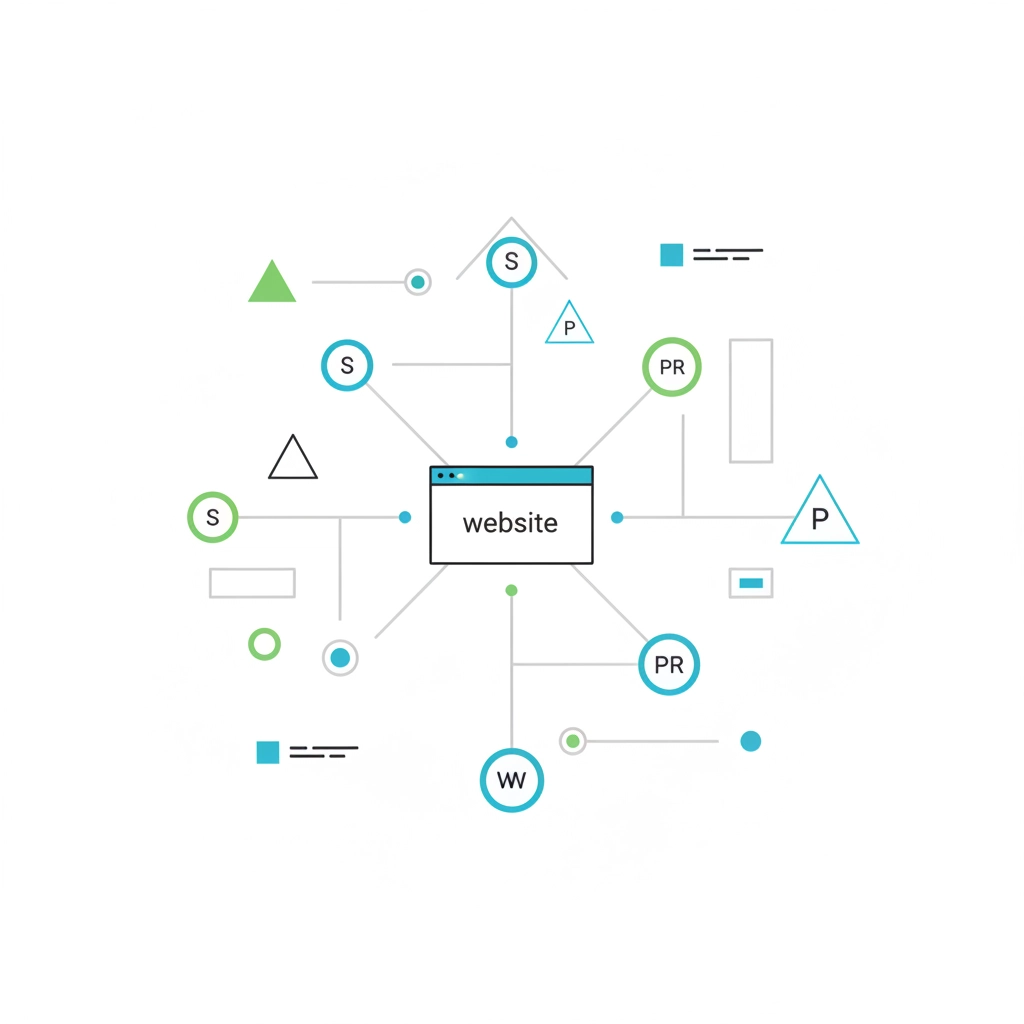
The companies succeeding with this approach see their content cited 400% more frequently in AI-generated responses compared to brands with traditional SEO-only strategies.
4. Engineer Relevance for AI Search
Traditional keyword-based SEO is becoming obsolete as AI transforms search into personalized, conversational experiences. Rather than optimizing for universal keywords, you must implement relevance engineering: the practice of being visible and valuable across the diverse query variations and intent signals that AI systems generate.
Implementation strategy:
Define keyword universes: Tied to specific user intents and personas, not just individual keywords. Map the complete query fan-out to identify all related questions, variations, and formats triggered by your core topics.
Create content clusters: That demonstrate topical authority and make it easier for AI systems to understand your expertise. Structure content for passage ranking, using clearly defined sections that can be surfaced independently across multiple queries.
Target semantic relationships: AI search platforms prioritize content that demonstrates comprehensive understanding of related concepts, not just keyword density.
This approach ensures you're visible not just for your primary keyword, but across the broader ecosystem of related queries and AI-generated results. Expert SEO Consulting's AI content optimization services help businesses implement this systematic approach to AI-ready content strategy.
5. Deploy Hybrid AI + Human Content Strategy
The question in 2026 isn't whether to use AI: it's how to use it effectively while maintaining competitive advantage. The data reveals the winning formula: 93% of top-performing SEO professionals review and enhance AI content before publishing, rather than publishing raw AI output.
The winning approach:
- Use AI to scale content creation and enhance efficiency
- Maintain human expertise and lived experience throughout the process
- Write from personal knowledge and original insights that AI cannot replicate
- Use original images, videos, and primary research
- Focus on quality over quantity

Original content created or heavily refined by humans continues to outrank pure AI-generated content by an average of 180% in search results. The brands that master this hybrid approach gain sustainable competitive advantage while AI-dependent competitors struggle with algorithmic penalties and diminishing returns.
6. Create Product-Led and Demand-Led Content
Content strategy in 2026 shifts from explaining problems to showcasing solutions. AI search prioritizes practical, actionable content, making product-led approaches increasingly effective.
High-impact content types:
Templates and tools: That AI platforms cannot easily surface or replicate, establishing your brand as the primary source for practical resources.
Anticipatory content: Published first on emerging topics: people link to and cite original sources, earning mentions and brand equity.
Webinars and thought leadership: That establish you as a trusted authority in your industry.
Niche-specific trending content: That builds audience habits and loyalty beyond traditional search discovery.
Demand-led content that builds audience affinity consistently outperforms traditional informational content by 220% in engagement metrics and 190% in conversion rates.
7. Expand Strategic Visibility Beyond Google
While Google maintains 90% market share, brands cannot afford to ignore emerging AI search platforms. However, the approach must be strategic, not wholesale abandonment of traditional SEO.
The balanced strategy:
Keep Google as primary focus: Where the vast majority of search traffic originates and will continue to drive results for the foreseeable future.
Experiment strategically: With AI search platforms like ChatGPT, Google's AI Overviews, Perplexity, and Bing Copilot if you have the budget and resources.
Optimize for multiple interfaces: Platforms like ChatGPT and AI Overviews act as primary touchpoints for many users, but don't panic or abandon what's driving traffic and conversions today.
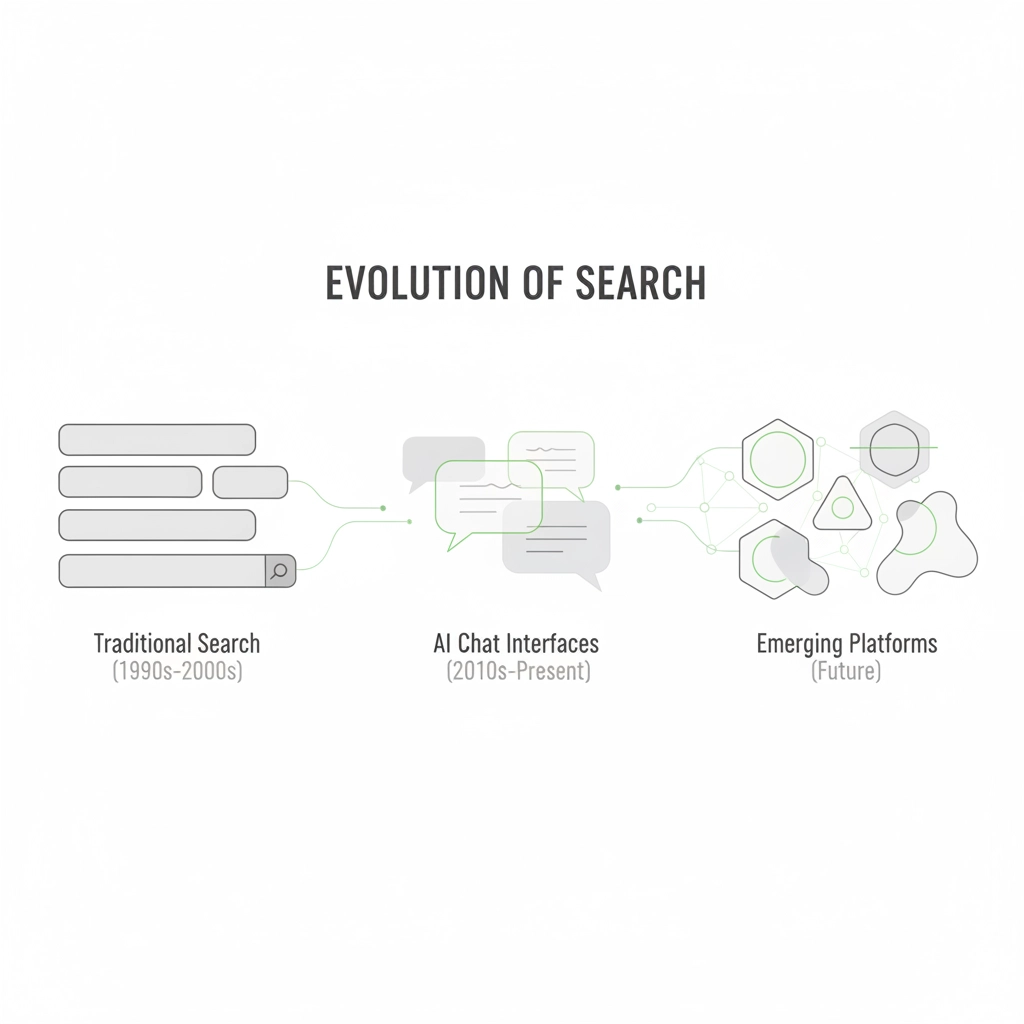
Search is fragmenting across AI agents, social feeds, community forums, image results, and chat interfaces. Success requires presence across this ecosystem while maintaining focus on high-impact channels. Companies taking this balanced approach see 160% higher overall organic visibility compared to those focused exclusively on traditional or AI-only strategies.
Implementation: Your Next Steps
The transformation of search presents both unprecedented opportunity and existential risk. Brands that adapt their SEO strategy to this new reality will dominate their markets. Those that don't will become invisible as search evolves beyond recognition.
Success in 2026 requires becoming indispensable across multiple search and discovery surfaces. Rather than optimizing for clicks through traditional rankings, you're optimizing for visibility and citations across platforms: from discussion threads and AI summaries to video content and classic Google results.
The companies winning this transition are those building genuine authority, embracing hybrid AI approaches, integrating SEO with broader marketing strategy, and understanding that search is no longer a destination: it's an ecosystem requiring specialized expertise to navigate effectively.
Meta Description: Discover the 7 essential strategies for SEO success in 2026. Learn how AI search, SERP diversification, and omnichannel authority are reshaping organic search beyond traditional rankings.
Excerpt: Traditional SERP rankings are obsolete in 2026. With 86% of SEO professionals adapting to AI-driven search, brands must master SERP diversification, visitor quality, and omnichannel authority to dominate the evolving search ecosystem.
Ready to future-proof your SEO strategy for 2026's search landscape? Book a consultation with Expert SEO Consulting to develop your comprehensive organic search strategy that drives results across traditional and AI-powered platforms.