
Here's the thing: 65% of Google searches now end without a click. Users get their answers directly from featured snippets, People Also Ask boxes, and AI-generated summaries. If your content isn't structured to deliver instant, authoritative answers, you're invisible where it matters most.
The shift isn't coming: it's already here. Search engines and AI platforms reward content that answers questions clearly, concisely, and comprehensively. FAQ sections and expanded question coverage have become essential infrastructure for modern SEO, not optional add-ons.
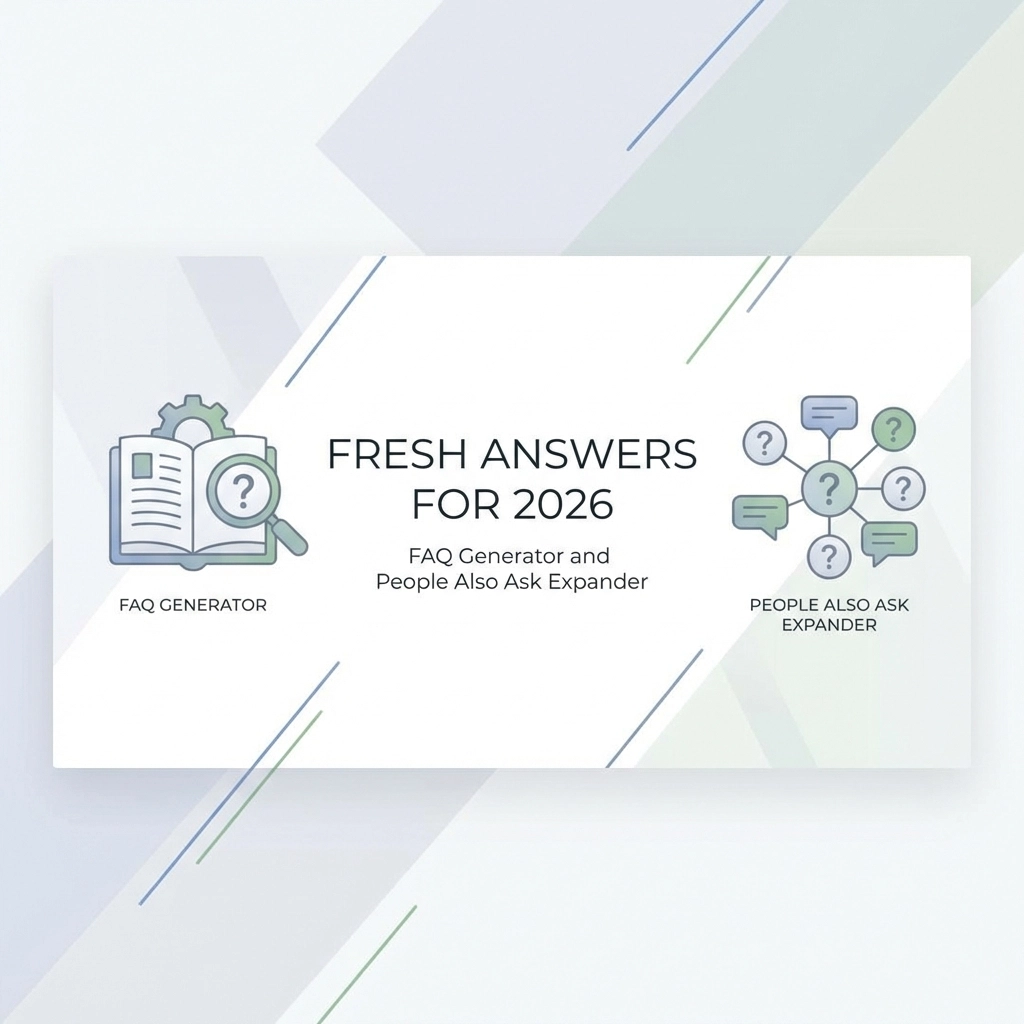
That's exactly why we built the FAQ Generator and People Also Ask Expander tools inside our optimization and analysis platform. These tools transform how you research, create, and structure answer-focused content: giving you a direct path into snippets, PAA boxes, and AI citations.
Why FAQ and PAA Content Dominates in 2026
Google's People Also Ask feature now appears in over 75% of search results. These expandable question boxes pull content from pages that structure information in clear Q&A formats. AI search tools like ChatGPT, Perplexity, and Google's AI Overviews operate the same way: they prioritize sources that deliver direct, well-organized answers.
The formula is straightforward:
- Question-based content gets cited more frequently by AI systems
- FAQ schema markup increases click-through rates by up to 30%
- Comprehensive question coverage signals topical authority to search algorithms
Businesses that systematically build out FAQ and PAA content capture real estate that competitors miss entirely. The challenge? Manually researching questions, crafting answers, and expanding coverage takes hours per topic. That's time most teams don't have.

The FAQ Generator: Build Answer-Ready Content in Minutes
Our FAQ Generator eliminates the research bottleneck. Instead of guessing what questions your audience asks: or spending hours mining forums and competitor sites: you get instant, data-driven FAQ sets tailored to your topic.
How the Workflow Works
Step 1: Enter Your Topic or URL
Start by inputting a topic, keyword, or existing page URL. The tool analyzes search patterns, related queries, and competitive content to identify the questions your audience actually asks.
Step 2: Customize Your Output
Specify how many FAQs you need, your preferred tone, and your target audience. Whether you're writing for technical professionals or everyday consumers, the generator adapts language and complexity accordingly.
Step 3: Review and Refine
The tool delivers a structured FAQ set with questions and answers ready for publication. Review each one, tweak the language to match your brand voice, and you're done: no more staring at blank pages wondering what to write.
Real-World Application
Let's say you run an e-commerce site selling home fitness equipment. You enter "best home gym setup for small spaces" into the FAQ Generator. Within seconds, you receive:
- What equipment fits in a small home gym?
- How much space do I need for a home gym?
- What's the most versatile piece of home gym equipment?
- How do I soundproof a small home gym?
Each question comes with a concise, informative answer. You can publish these directly on your product pages, create a dedicated FAQ resource, or use them as the foundation for longer blog content.
The People Also Ask Expander: Capture Every Related Query
The FAQ Generator handles your core questions. The People Also Ask Expander takes you further: uncovering the secondary and tertiary questions that create comprehensive topical coverage.
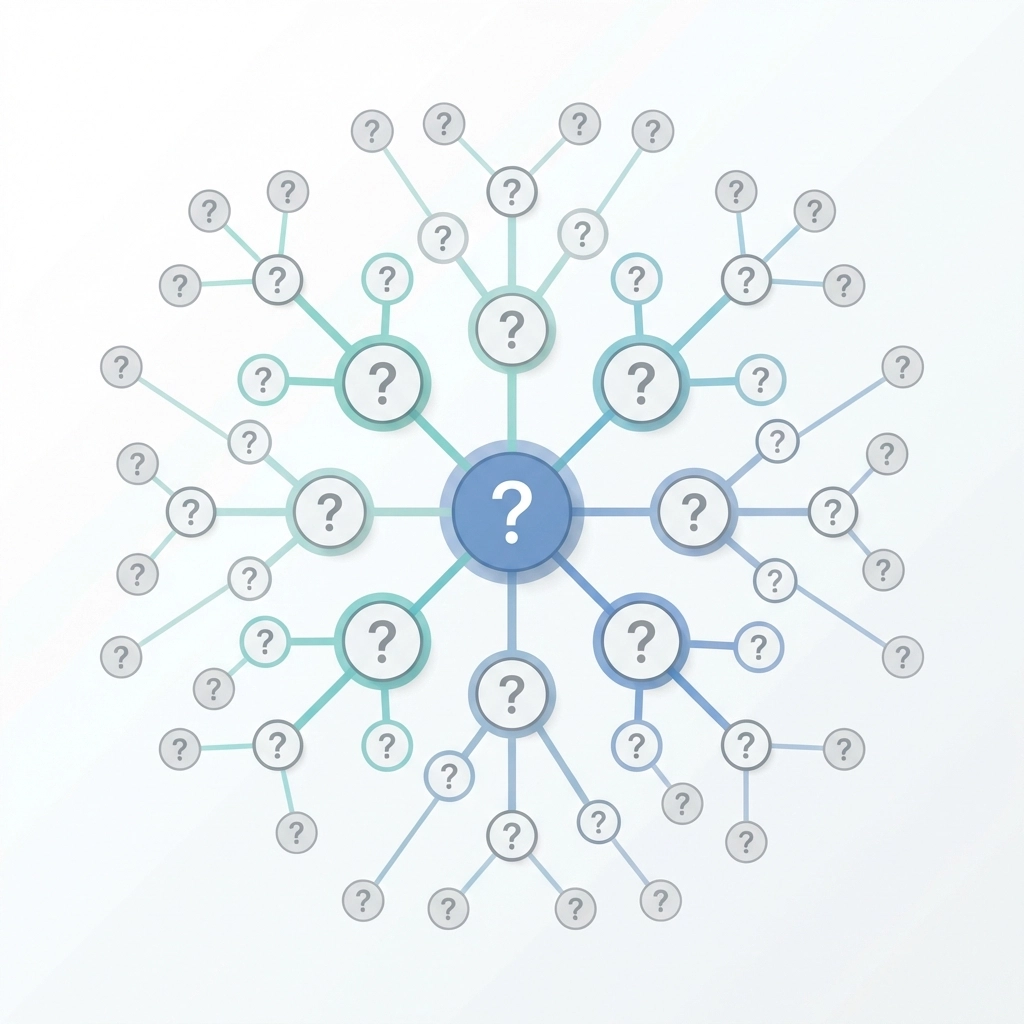
Here's what most businesses miss: Google's PAA boxes are dynamic. Click one question, and more appear. Each question represents a search opportunity your competitors might not be targeting. The PAA Expander maps this entire question ecosystem for any topic.
Expanding Your Question Universe
Step 1: Input Your Seed Query
Enter your primary keyword or topic. The tool pulls live PAA data and related question variants from multiple search contexts.
Step 2: Generate Expanded Question Clusters
The Expander returns not just the obvious questions, but the follow-up queries, niche variations, and long-tail questions that appear as users dig deeper. This gives you a complete question map for your topic.
Step 3: Prioritize and Create
Review the expanded list and prioritize questions by search volume, competition, and relevance to your business. Build content around high-value questions first, then expand coverage systematically.
Why This Matters for AI Search
AI platforms pull answers from pages that demonstrate comprehensive expertise. When your content answers the main question and the 15 related questions users typically ask next, you signal depth that AI systems reward with citations and visibility.
This is the foundation of content optimization for AI search: comprehensive, question-focused content that positions you as the definitive source.
Combining Both Tools: The Complete Workflow
Maximum impact comes from using both tools together. Here's the workflow we recommend:
Phase 1: Core FAQ Foundation
Use the FAQ Generator to build your foundational Q&A content. Start with your most important product, service, or topic pages. Generate 5-10 FAQs per page that cover the essential questions prospects ask before buying or converting.
Phase 2: PAA Expansion
Run your primary keywords through the PAA Expander. Identify question gaps: queries your competitors answer that you don't, plus emerging questions with growing search interest. Add these to your content roadmap.
Phase 3: Content Integration
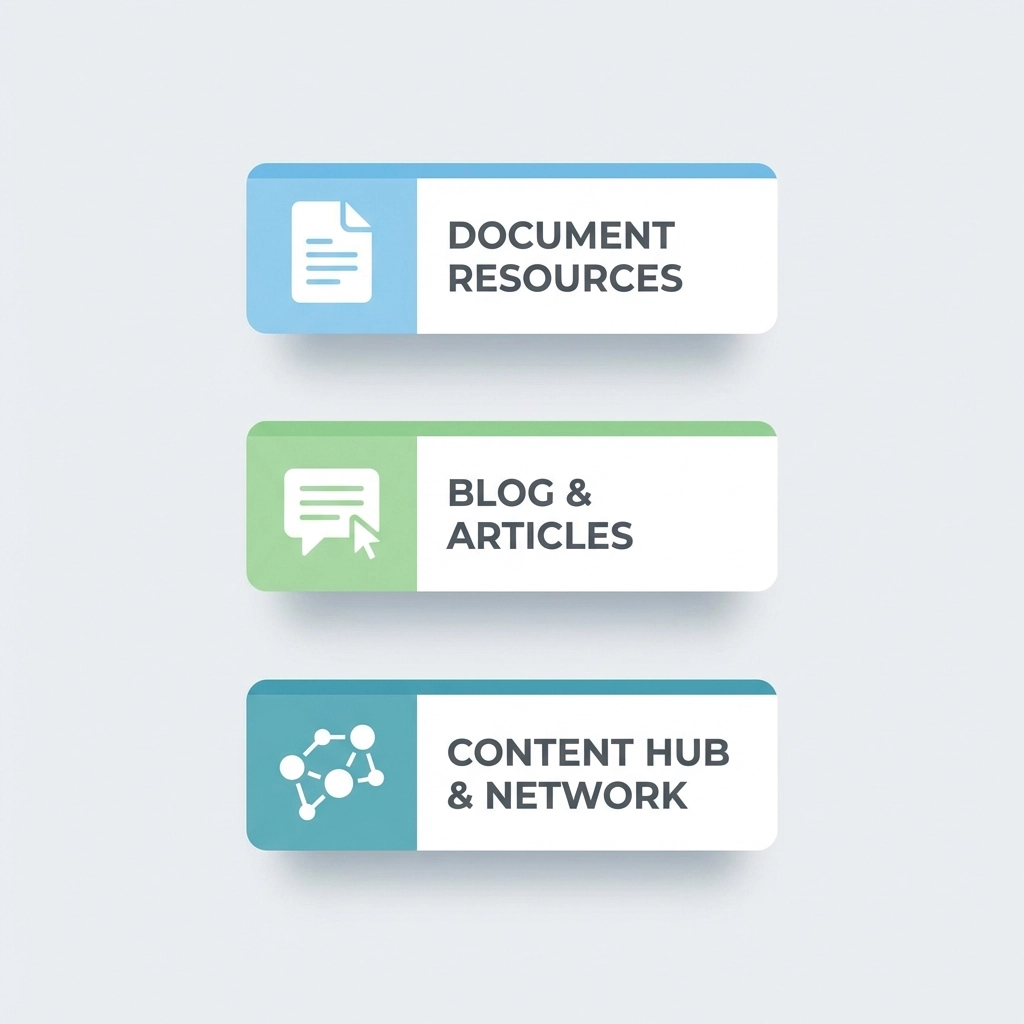
Structure your findings into three content types:
| Content Type | FAQ Source | Purpose |
|---|---|---|
| On-page FAQ sections | FAQ Generator | Direct conversion support |
| Blog posts | PAA Expander | Topical authority building |
| Resource hubs | Both tools combined | Comprehensive coverage |
Phase 4: Schema Implementation
Add FAQ schema markup to your structured Q&A content. This tells search engines exactly how to parse your answers for featured snippets and rich results. Our AI content auditor can verify your schema implementation and identify optimization opportunities.
Optimizing for Direct Answers: Best Practices
Creating FAQs is step one. Optimizing them for snippet selection requires additional refinement:
Keep answers concise but complete. Google typically pulls 40-60 words for featured snippets. Lead with a direct answer, then expand with supporting detail.
Use natural question phrasing. Match how users actually search. "How much does X cost?" beats "Pricing information for X."
Front-load the answer. Put the most important information first. Don't bury the answer after three sentences of context.
Update regularly. Search behavior evolves. Questions that dominated last year might fade while new queries emerge. Revisit your FAQ content quarterly.
For deeper guidance on structuring content for AI and search visibility, explore our resource on how to optimize content for AI.
What You Need to Do Now
The window for establishing answer-focused content authority is open: but narrowing. As more businesses adopt FAQ and PAA strategies, early movers capture positions that become increasingly difficult to displace.
Your action plan:
- Audit your current FAQ coverage. How many of your key pages include structured Q&A content?
- Identify your highest-value topics. Which products, services, or themes drive the most business?
- Generate and expand systematically. Use the FAQ Generator and PAA Expander to build comprehensive question coverage.
- Implement schema markup. Ensure search engines can parse your answers correctly.
- Monitor and iterate. Track which questions drive traffic and conversions, then double down.
Ready to build an answer-ready content strategy that captures snippets, PAA boxes, and AI citations? Book a consultation with our team to see these tools in action and map a plan for your business.
The questions are out there. Your answers should be too.