
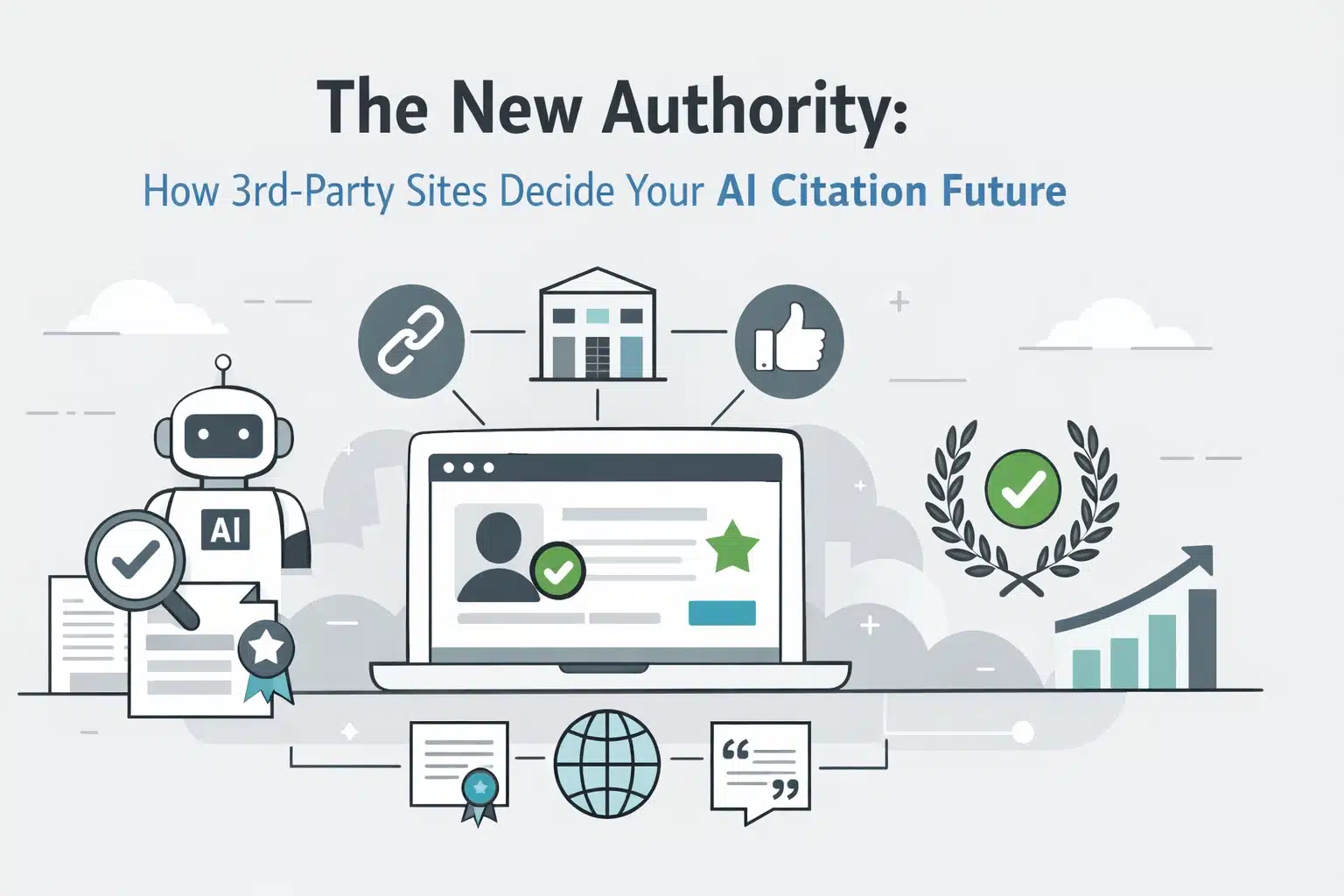
Congrats. Your website ranks #1 in Google, but ChatGPT has never mentioned your brand. Perplexity cites your competitor instead. Google’s AI Overviews pull quotes from a third-party review site rather than your carefully crafted product pages.
This isn’t a bug. It’s the new reality of digital authority.
Recent citation analysis reveals that off-site content overwhelmingly dominates AI recommendations, AI engines prefer sourcing information from third-party sites rather than branded content. When ChatGPT does cite sources, Wikipedia alone accounts for 7.8% of all citations, while Reddit drives 2.2% of Google AI Overviews and 6.6% of Perplexity responses. Your own domain? Statistically invisible unless it’s being corroborated elsewhere.
The ranking game you mastered is no longer the game being played. AI platforms evaluate your brand not through keyword density or backlink profiles, but through external validation, third-party mentions, and off-site reputation signals. The web’s collective opinion of you matters more than your opinion of yourself.
The Authority Shift No One Prepared For
Traditional SEO operated on a simple premise: control your website, control your rankings, control your traffic. You built content, earned links, optimized technical elements, and Google rewarded you with visibility.
AI citation engines flipped this model entirely. They don’t trust single sources, they triangulate truth across multiple external validators. When an AI needs to answer a question about your product, service, or expertise, it doesn’t just look at your site. It asks: What does the rest of the web say about this brand?
This fundamental shift creates a new hierarchy of authority:
- Self-published content = Low trust baseline (every brand claims expertise)
- Third-party mentions = Moderate trust signal (someone else noticed you)
- Third-party validation = High trust signal (independent sources confirm your claims)
- Third-party consensus = Citation-worthy authority (multiple credible sources agree)
The web has become a reputation economy, and AI platforms are the credit bureaus scoring your authority footprint.
How AI Engines Build Your Authority Profile
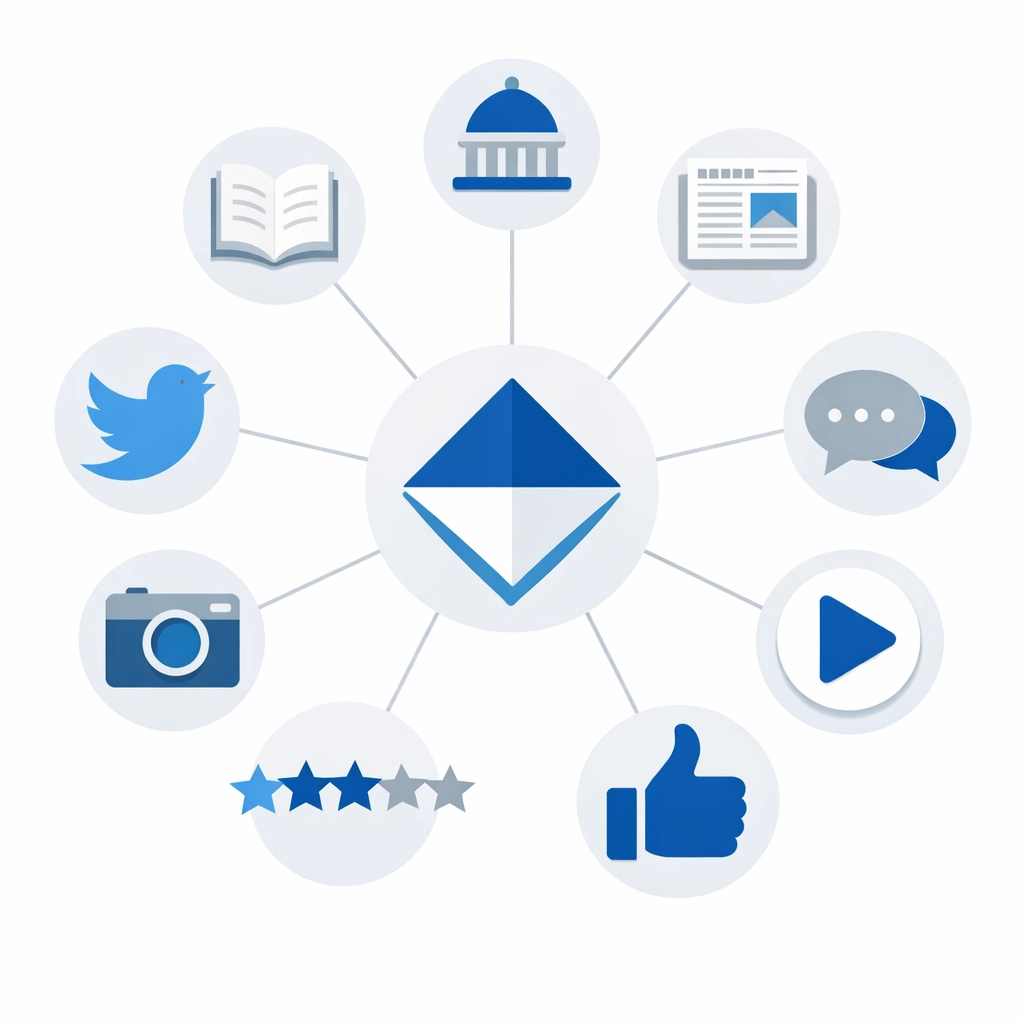
When AI platforms decide whether to cite your brand, they construct an entity profile by analyzing signals across your entire digital ecosystem. This evaluation happens in layers:
Layer 1: Entity Recognition
Can the AI confidently identify your brand as a distinct, legitimate entity? This requires consistent naming, clear category association, and sufficient mentions across diverse sources. A brand mentioned only on its own website and nowhere else triggers skepticism, legitimate entities leave footprints.
Layer 2: Reputation Assessment
What sentiment and context surround your mentions? AI models parse reviews on G2, Capterra, and TrustRadius, extracting structured signals about strengths, weaknesses, and use cases. They analyze Reddit threads for community validation or criticism. They scan press coverage for third-party endorsement.
Layer 3: Expertise Validation
Do credible sources reference your brand when discussing specific topics? Citations in industry publications, placements in “best of” roundups, mentions in research papers, and quotes in news articles all contribute to topical authority. AI platforms cross-reference these to determine if you’re genuinely expert or just claiming to be.
Layer 4: Corroboration Density
How many independent sources confirm similar information about you? When multiple third-party sites describe your offering, positioning, or capabilities using consistent language, AI models gain confidence. Contradictory information across sources decreases citation likelihood, ambiguity is disqualifying.
This layered evaluation means your AI citation potential is largely determined by content you don’t control, published on sites you don’t own.
The Third-Party Citation Hierarchy
Not all third-party sites carry equal weight in AI citation decisions. Different platforms show distinct preferences based on their trust models:
Encyclopedic Authority (Wikipedia, Crunchbase)
These serve as foundational entity references. ChatGPT’s 7.8% citation rate for Wikipedia reflects AI’s preference for encyclopedic sources that aggregate verified information. A Wikipedia presence signals baseline legitimacy, absence suggests insufficient notability.
Structured Review Platforms (G2, Capterra, TrustRadius)
AI engines can directly scrape structured review data, star ratings, verified user testimonials, detailed pros/cons breakdowns. This quantifiable validation translates cleanly into confidence scores for citation algorithms.
Industry Publications & Trade Media
Coverage in respected industry blogs, trade publications, and niche news outlets signals subject matter expertise. AI models recognize domain authority in specific verticals and weight citations from these sources accordingly.
Community Validation Sites (Reddit, Quora, Industry Forums)
Reddit’s dominance (2.2% of Google AI Overviews, 6.6% of Perplexity citations) reveals AI’s preference for community-validated information. User-generated content provides unfiltered signal about real-world usage, problems, and recommendations.
News & Press Coverage (Reuters, Financial Times, Industry Wire Services)
Third-party press coverage serves as credibility amplification. AI platforms recognize journalistic standards and editorial oversight as trust proxies.
The strategic implication is clear: digital PR and off-site placement now directly impact AI visibility. Traditional link building for PageRank is being replaced by mention building for entity authority.

Conducting a Third-Party Footprint Audit
Most brands have zero visibility into their off-site reputation profile. They know their rankings, traffic, and conversions, but can’t answer basic questions about their entity footprint:
- Which third-party sites mention us, and in what context?
- Are our brand claims corroborated or contradicted externally?
- Where do we appear in AI-accessible review databases?
- What sentiment patterns emerge across community discussions?
- Do industry publications cite us as experts on our core topics?
This blindness is fatal in an AI-citation environment. You can’t optimize what you can’t measure.
A comprehensive third-party footprint audit examines:
Entity Consistency Analysis
How uniformly is your brand name, category, and positioning described across external sources? Inconsistency creates entity ambiguity, AI models struggle to confidently cite brands with contradictory external profiles.
Corroboration Mapping
Which of your key claims (product features, expertise areas, company facts) are validated by independent third-party sources? Claims that exist only on your site are citation-ineligible.
Review Platform Coverage
Where do verified customer reviews exist? What specific language do users employ when describing your value proposition? This user-generated content becomes quotable source material for AI responses.
Media Mention Inventory
Catalog all press coverage, industry publication features, podcast appearances, and expert roundup inclusions. These represent your citation-eligible authority markers.
Community Signal Assessment
What discussions reference your brand on Reddit, Quora, and industry forums? Are you positioned as a recommended solution or a cautionary tale?
Our AI SEO Audits at Expert SEO Consulting now include comprehensive entity reputation analysis, identifying gaps between your self-published narrative and your third-party footprint. Most brands discover significant corroboration gaps: key differentiators mentioned only on their own site, competitor validation on platforms where they’re absent, or outdated third-party information undermining current positioning.
Building Citation-Worthy Third-Party Presence
Once you’ve mapped your footprint gaps, strategic intervention becomes possible. The goal isn’t generic “brand awareness”, it’s creating specific, structured, citation-eligible third-party validation.
Strategic Digital PR with Citation Intent
Traditional PR pursued media coverage for traffic and awareness. Citation-focused PR targets placements that AI engines actively crawl and reference. This means:
- Industry publication bylines that establish topical expertise
- Expert commentary in news coverage that positions you as a quotable source
- Original research releases that create citation-necessary content
- “Best of” and comparison roundup inclusions that validate category position
Structured Review Acquisition
Generic “please leave a review” campaigns don’t build AI authority. You need detailed, structured reviews on AI-accessible platforms. Focus on G2, Capterra, and TrustRadius reviews that include:
- Specific use case descriptions
- Detailed pros and cons breakdowns
- Comparative context (vs alternatives)
- Quantifiable outcome metrics
These structured elements become directly scrapable by AI citation engines.
Wikipedia & Knowledge Panel Optimization
While controversial, Wikipedia presence remains foundational for entity recognition. If your brand meets notability guidelines, a properly maintained Wikipedia page serves as an authority anchor point. Similarly, optimizing your Google Knowledge Panel ensures consistent entity information across Google’s ecosystem.
Community Engagement for Natural Mentions
AI platforms value community-validated information. Strategic participation in Reddit discussions, Quora answers, and industry forums: when genuinely helpful rather than promotional: builds natural third-party mentions in contexts AI engines trust.
Original Research & Data Publication
Publishing unique benchmarks, proprietary data, and original insights creates citation-necessary content. When your research becomes the source, AI models must reference you directly: this is one of the few paths to earning primary source citations.
Measuring Your AI Citation Reality
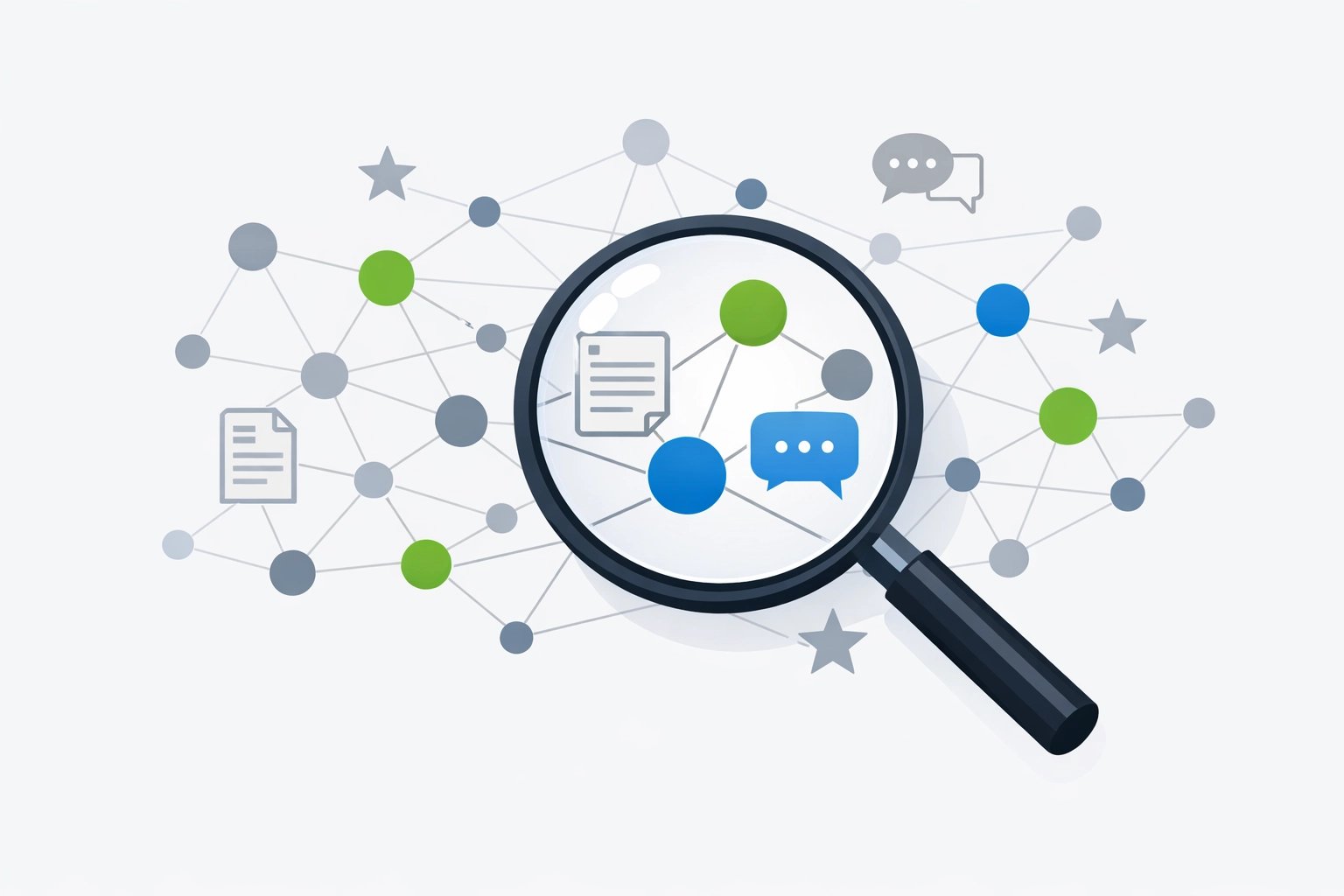
The challenge with third-party authority building is measurement. Traditional analytics can’t track whether your off-site reputation improvements translate into AI citation gains.
This is where platforms like Citemetrix become essential infrastructure. Citemetrix monitors how AI engines actually cite your brand across ChatGPT, Perplexity, Google AI Overviews, and other emerging platforms. You can:
- Track citation frequency changes over time
- Identify which third-party sources AI platforms reference when mentioning you
- Monitor competitive citation share within your category
- Correlate off-site reputation efforts with citation improvements
- Detect misquotes or inaccurate AI representations that stem from third-party sources
Without this measurement layer, you’re building authority in the dark: investing in digital PR and review acquisition without knowing if it impacts AI visibility.
The data from Citemetrix often reveals surprising patterns. Brands discover that a single well-placed industry publication feature drives more AI citations than dozens of generic press releases. Or that negative Reddit threads are being cited more frequently than positive review platform content. These insights allow for strategic resource reallocation toward highest-impact third-party channels.
The Corroboration Imperative
Full transparency: this authority shift is uncomfortable for most marketing teams. You’ve spent years building content moats, perfecting on-site messaging, and controlling your narrative. The realization that AI platforms trust third-party validators more than they trust you feels like losing control.
But here’s the thing: you never really had control over authority. You had control over a ranking algorithm that could be optimized. Authority was always about external validation; AI platforms simply made this dynamic explicit.
The brands winning AI citations aren’t necessarily the ones with the best websites. They’re the brands with the strongest external validation networks. They’ve invested in being mentioned, reviewed, featured, and cited across the digital ecosystem. They’ve built entity footprints that give AI platforms confidence in referencing them.
This doesn’t mean abandoning on-site content. Your website remains essential for conversion and user experience. But it can no longer be your primary authority vehicle. Your site is now the destination users reach after AI platforms cite you: not the source AI platforms cite directly.
The strategic priority is clear: systematic third-party authority building must become a core competency, not an afterthought. Digital PR, structured review acquisition, community engagement, and original research publication are no longer nice-to-have brand activities: they’re essential infrastructure for AI citation visibility.
Your competitors are already building these footprints. The question is whether you’ll recognize the authority shift before your citation share becomes unrecoverable.
Start With Clarity on Where You Stand
Before you can build third-party authority, you need baseline visibility into your current footprint. Most brands are operating on assumptions rather than data about their external reputation profile.
Our AI SEO Audits at Expert SEO Consulting include comprehensive entity reputation analysis: mapping your third-party footprint, identifying corroboration gaps, and benchmarking your off-site authority against competitors. We combine this with Citemetrix citation monitoring to show you exactly how AI platforms currently reference (or ignore) your brand.
The audit typically reveals three critical gaps:
- The Validation Gap: Claims on your website that have zero third-party corroboration
- The Platform Gap: Review sites, industry publications, and community forums where competitors are present but you’re absent
- The Consistency Gap: Contradictory information across third-party sources that creates entity ambiguity
Once you have clarity on these gaps, strategic intervention becomes possible. You can target specific platforms for review acquisition, pursue particular publication placements, or correct inconsistent third-party information that’s undermining your entity profile.
The brands that will dominate AI citations in 2026 and beyond aren’t waiting for algorithms to change. They’re building the third-party footprints that make citation inevitable.
Ready to see where your brand actually stands in the AI citation landscape? Book a consultation and we’ll show you exactly what AI platforms see when they evaluate your authority: and what it will take to become citation-worthy.


1 Comment