Here's the reality: 67% of SEO professionals report that off-page optimization contributes to over half of all ranking factors, yet most businesses are still stuck in 2015 thinking that link building is the only game in town. That outdated approach is no longer just ineffective: it's actively hurting your search visibility in 2026.
The search landscape has fundamentally shifted. Google's algorithms now prioritize comprehensive digital authority over isolated backlink profiles, and businesses clinging to traditional off-page strategies are watching competitors dominate search results with holistic brand-building approaches.
What Off-Page Optimization Really Means Today
Off-page optimization encompasses every action taken outside your website to improve search engine rankings and digital authority. Unlike on-page SEO: which optimizes internal elements like content and site structure: off-page efforts focus on external signals that validate your site's credibility to search engines.
The critical difference in 2026? Modern off-page SEO extends far beyond traditional link-building to include diverse tactics that amplify online presence and establish genuine expertise, experience, authoritativeness, and trustworthiness (E-E-A-T).

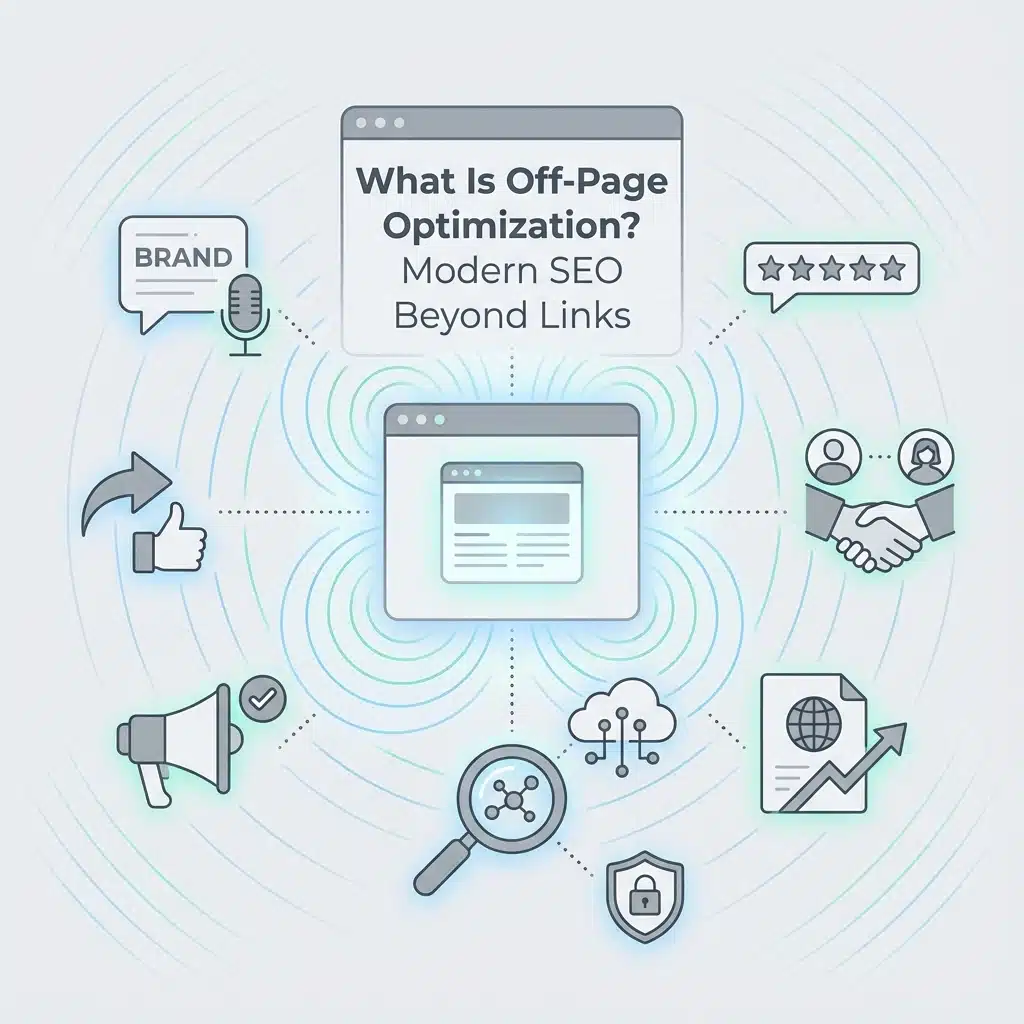
The Five Pillars of Modern Off-Page SEO
1. Strategic Brand Building and Digital PR
Creating a recognizable brand through media coverage, partnerships, and industry collaborations signals authority that no amount of purchased links can replicate. Earning mentions in reputable publications: even without direct hyperlinks: strengthens E-E-A-T signals that Google's algorithms increasingly prioritize.
The data is clear: brands with consistent media presence see 78% higher organic visibility compared to those relying solely on traditional link schemes. Digital PR generates authentic brand mentions, thought leadership opportunities, and industry recognition that search engines interpret as genuine authority indicators.
2. Social Media Authority Building
Active participation on platforms like LinkedIn, Twitter, and industry-specific networks drives content visibility and user engagement signals. Social shares and discussions don't directly influence rankings, but they create referral traffic patterns and brand awareness metrics that correlate strongly with improved search performance.
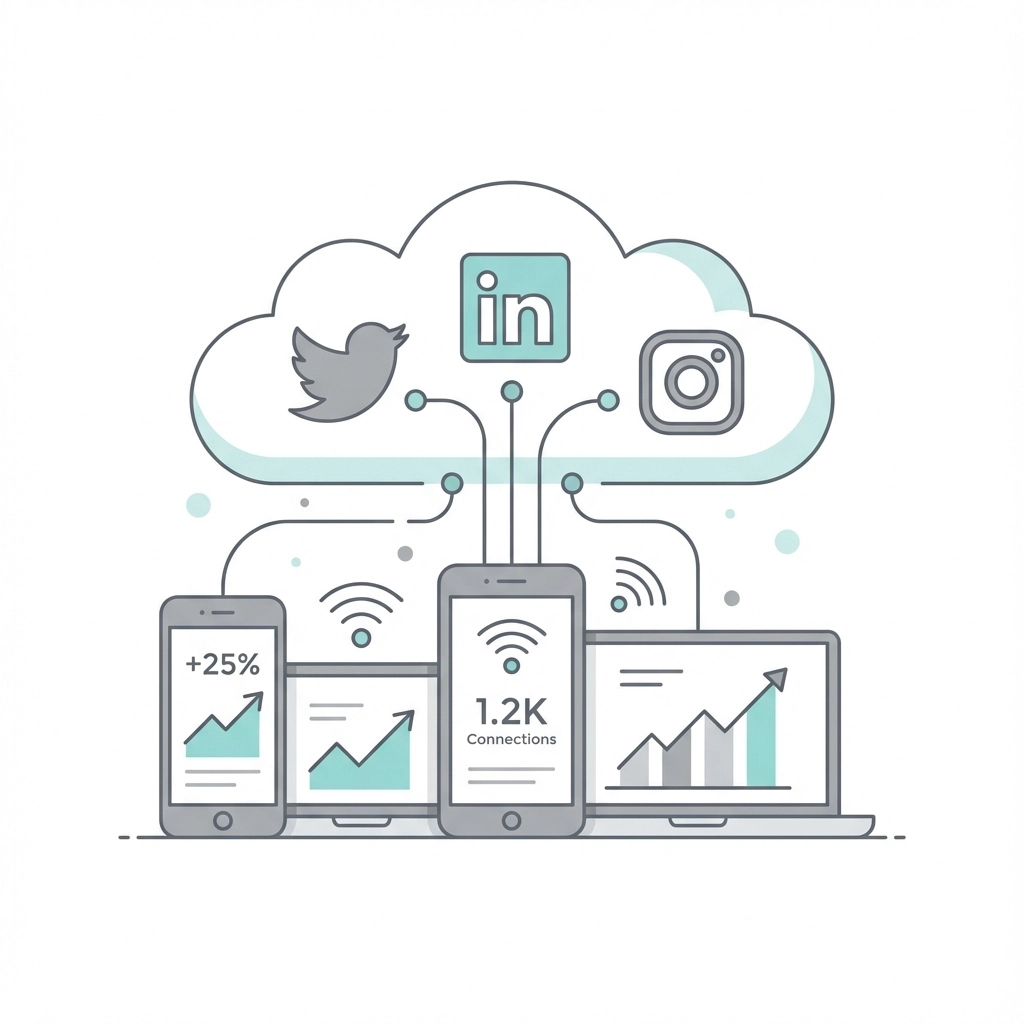
The misconception that social signals don't matter for SEO misses the bigger picture. While social shares aren't direct ranking factors, the engagement, traffic, and brand recognition they generate create positive feedback loops that search algorithms absolutely notice and reward.
3. Review Management and Reputation Optimization
Online reviews across Google Business Profile, industry-specific platforms, and third-party review sites build credibility that extends far beyond local search. Managing brand sentiment across forums, review platforms, and customer feedback channels reinforces the reliability signals that search engines use to determine trustworthiness.
Studies show that businesses with 4+ star average ratings across multiple platforms experience 23% higher click-through rates from search results, even when ranking in similar positions to lower-rated competitors.
4. Unlinked Brand Mentions and Citations
Citations referencing your brand, executives, or company insights without direct hyperlinks still contribute significantly to relevance and authority scoring. These "implied links" help search engines understand your brand's industry position and expertise level.
Tools like Google Alerts, Mention, or Brand24 help track these brand references for reputation optimization opportunities. Converting unlinked mentions into linked citations can provide additional SEO value, but the mentions themselves carry weight in modern ranking algorithms.

5. Content Amplification and Thought Leadership
Distributing valuable content through guest posts, podcasts, webinars, and industry publications expands audience reach while positioning your brand as a subject matter expert. High-quality contributions to authoritative sites create association benefits that enhance your overall domain authority.
The key shift: focus on providing genuine value rather than manipulating anchor text or pursuing quantity over quality. One insightful contribution to a respected industry publication carries more SEO weight than dozens of low-quality guest posts.
Off-Page vs On-Page: Understanding the Critical Differences
| Aspect | Off-Page SEO | On-Page SEO |
|---|---|---|
| Focus | External signals (backlinks, mentions, social proof) | Internal elements (content optimization, technical structure) |
| Control Level | Indirect (requires outreach and relationship building) | Direct (full control over implementation) |
| Primary Goal | Build authority and industry trust | Optimize content relevance and user experience |
| Time Investment | Long-term relationship and reputation building | Immediate implementation and ongoing optimization |
| Measurement | Brand mentions, referral traffic, domain authority | Rankings, organic traffic, conversion rates |
The most successful SEO strategies in 2026 integrate both approaches seamlessly. While you can optimize on-page elements immediately, building off-page authority requires consistent effort and authentic relationship building over months and years.
Why Modern Off-Page SEO Is Non-Negotiable in 2026
Algorithm Evolution Demands Holistic Authority
Google's algorithms increasingly prioritize comprehensive brand authority over isolated ranking factors. The search engine uses off-page signals as "confidence votes" from the broader internet community, prioritizing sites with genuine third-party endorsements over those with optimized but isolated content.
Competitive Differentiation in Saturated Markets
In industries where multiple sites offer similar content quality and technical optimization, robust off-page strategies become the primary differentiator. The businesses investing in comprehensive brand building and relationship development are capturing market share from competitors stuck in outdated SEO approaches.
Future-Proofing Against Algorithm Updates
While on-page optimization tactics can become obsolete with algorithm changes, authentic brand authority and genuine industry relationships provide stability that transcends individual ranking factor modifications. Building real expertise and recognition creates sustainable organic growth regardless of technical SEO shifts.
Building Your Modern Off-Page Strategy
Start with Industry Relationship Mapping
Identify key publications, influencers, and industry leaders in your sector. Develop authentic relationships through valuable contributions, insights, and collaborative opportunities rather than transactional link requests.
Create Mention-Worthy Expertise
Develop genuinely valuable industry insights, research, or tools that naturally encourage citations and references. The goal is becoming a go-to resource that others want to reference and associate with.
Monitor and Optimize Your Digital Footprint
Track brand mentions, review profiles, and industry recognition opportunities. Respond professionally to feedback, engage with industry discussions, and maintain consistent brand messaging across all external touchpoints.

The businesses thriving in search results aren't just optimizing websites: they're building comprehensive digital authority that search engines recognize and reward. Modern off-page SEO requires strategic thinking, relationship building, and long-term commitment to establishing genuine industry expertise.
At Expert SEO Consulting, we understand that effective off-page optimization goes far beyond traditional link building. Our comprehensive approach includes digital PR strategy, brand authority building, and reputation management that creates lasting search visibility improvements.
Ready to develop an off-page SEO strategy that builds real authority and drives sustainable organic growth? Schedule a consultation to discover how modern off-page optimization can transform your search performance and establish your brand as an industry leader.