
December 2025 just delivered the most significant Google update cluster we've seen all year. While most businesses were focused on holiday shopping, Google quietly rolled out changes that will fundamentally reshape how websites rank in 2026: and frankly, many site owners have no idea what just hit them.
Here's the thing: this isn't just another algorithm tweak. Google's December updates represent a massive shift toward AI-first search experiences, stricter content quality enforcement, and enhanced reporting capabilities that will separate thriving websites from those left behind.
Gemini 3 Changes Everything (Whether You're Ready or Not)
Google's release of Gemini 3 in December marks the end of traditional search as we know it. This new AI model now powers "AI Mode" for search queries, meaning your website isn't just competing against other websites anymore: you're competing against AI-generated responses that appear directly in search results.

The numbers don't lie: Google's new "Nano Banana Pro" model, deployed simultaneously to Google Search and Google Ads, processes queries 40% faster while delivering more contextually relevant results. What does this mean for your rankings? Simple: websites that don't provide genuinely unique, expert-level content will increasingly lose visibility as AI handles basic informational queries directly.
But here's where it gets interesting. Google's new agentic AI features now perform tasks autonomously, including travel booking, shopping comparisons with real-time price tracking, and even contextual checkout processes. If your website relies on basic transactional or informational content, you're about to face serious competition from AI that never sleeps and never makes mistakes.
The AI Content Trap That's Crushing Websites
Google made one thing crystal clear in December: rewriting AI-generated content with low-quality human content won't lead to recovery. Full stop.
This announcement sent shockwaves through the SEO community because thousands of websites have been using exactly this strategy. They generate AI content, then hire cheap writers to "humanize" it with basic edits, thinking they're outsmarting Google's detection systems.
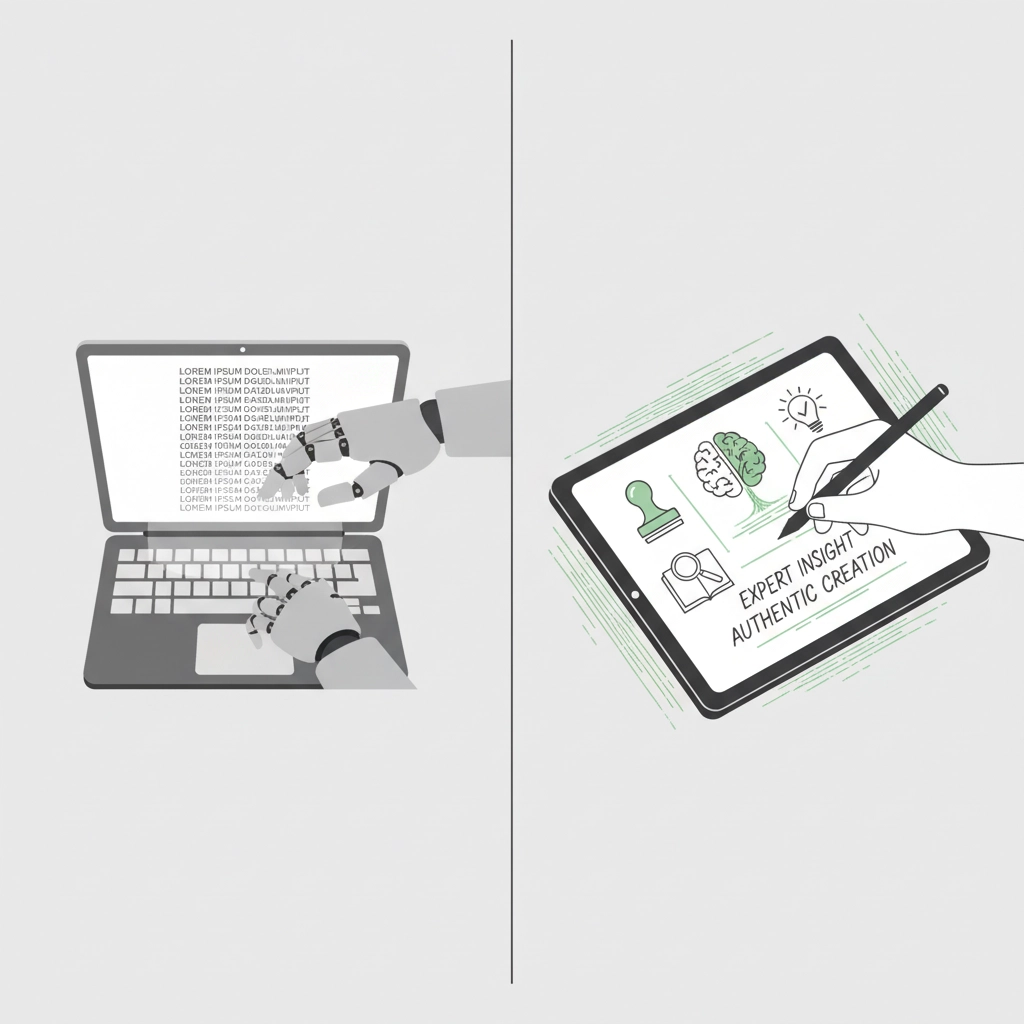
They're not. Google's spam detection has evolved beyond simple AI detection: it now evaluates content quality, expertise demonstration, and genuine user value. Websites caught in this trap are seeing 60-80% traffic drops that traditional recovery methods can't fix.
Meanwhile, Google promoted its Opal tool for creating AI-generated content at scale, but with strict quality guidelines. The message is clear: AI content isn't banned, but low-quality AI content: whether "humanized" or not: will be penalized aggressively.
For businesses serious about advanced SEO techniques, this represents both a challenge and an opportunity. Companies that invest in genuine expertise and original research will see their content rewarded, while those cutting corners face continued penalties.
Ranking Volatility Reached Crisis Levels
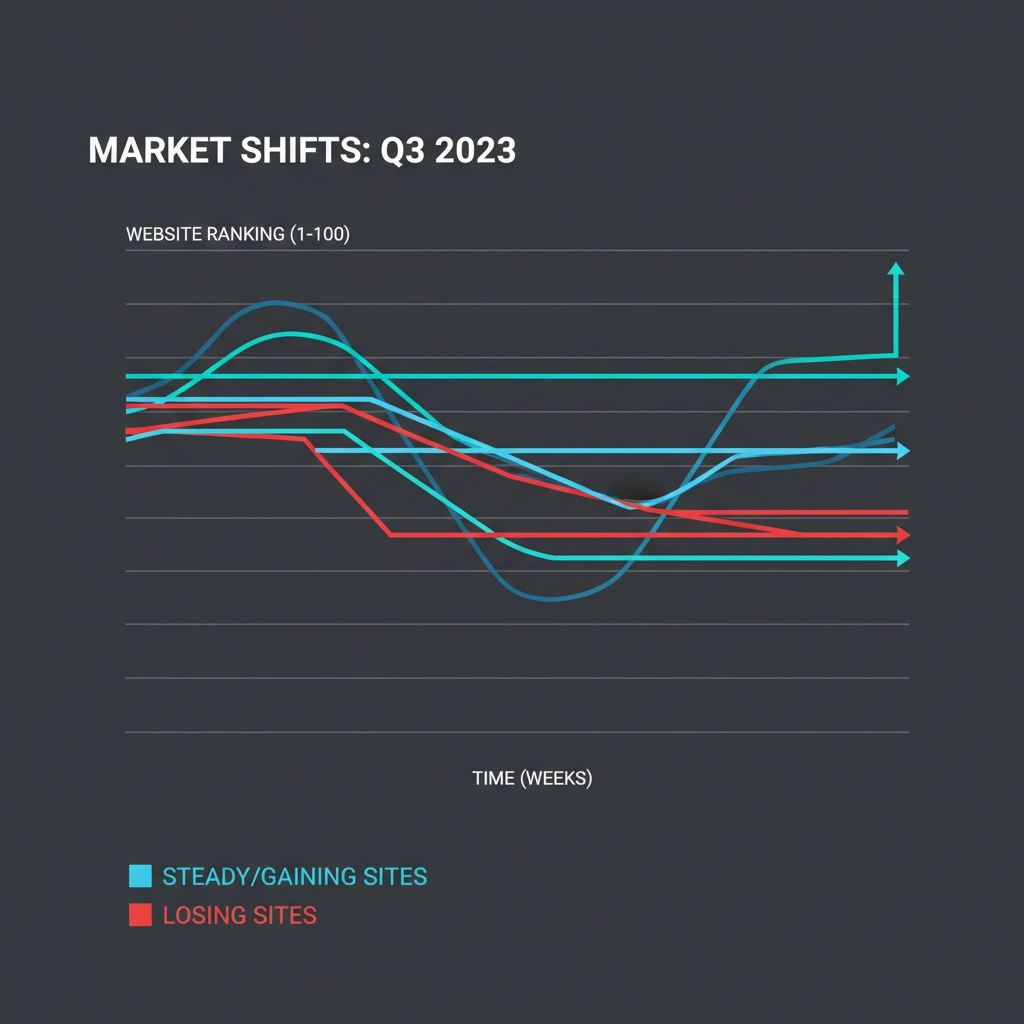
December's ranking volatility was unlike anything we've seen since major algorithm updates. The Thanksgiving week period alone saw position fluctuations affecting over 70% of tracked websites, with some businesses losing half their organic traffic overnight.
This wasn't random chaos: it was Google's algorithm learning to better identify and reward authentic expertise while demoting thin, AI-generated, or purely SEO-focused content. Websites in competitive niches like finance, health, and technology saw the most dramatic shifts.
The pattern is clear: sites with established authority, consistent publishing schedules, and genuine subject matter expertise maintained or improved their positions, while those relying on content volume over quality saw significant drops.
Search Console Gets Powerful New Features
Google didn't just update its algorithm: it also enhanced the tools webmasters use to monitor performance. The December Search Console updates include three game-changing features that forward-thinking businesses are already implementing:
Brand Query Filters: You can now separate branded search performance from generic keyword rankings. This feature reveals whether your traffic comes from people specifically looking for your business or discovering you through competitive searches: critical data for understanding your market position.
Custom Annotations: Mark significant events, content updates, or marketing campaigns directly in your performance reports. This feature eliminates the guesswork when analyzing traffic fluctuations and helps identify which strategies actually drive results.
Shipping and Return Options: E-commerce businesses can now configure shipping and return policies directly in Search Console without requiring a Merchant Center account. This streamlines the setup process and ensures your policies appear correctly in shopping results.
These aren't minor convenience features: they're sophisticated tools that give data-driven businesses a significant competitive advantage. Companies leveraging AI and SEO strategies effectively will find these features essential for optimizing performance in 2026.
Local SEO Gets an AI Makeover
Google's December Maps updates signal a massive shift in local search behavior. The integration of Gemini directly into Google Maps means local businesses face new challenges and opportunities:
Anonymous Reviews: Google Business Profiles now support anonymous reviewers, potentially increasing review volume but making reputation management more complex.
Advanced Scheduling: Google Posts can now be scheduled across multiple locations simultaneously, streamlining content management for businesses with multiple locations.
AI-Powered Directions: Gemini integration provides more conversational, context-aware directions and recommendations, changing how users discover and interact with local businesses.

For business development strategies, these changes mean local SEO requires more sophisticated content and reputation management approaches. Businesses that adapt quickly will capture more qualified local traffic while their competitors struggle with outdated tactics.
What This Means for Your 2026 SEO Strategy
The December updates aren't just technical changes: they're a blueprint for how Google will evaluate websites in 2026. Here's what you must do to maintain and improve your rankings:
Prioritize Genuine Expertise: Google's AI can detect authentic subject matter expertise versus surface-level content. Websites demonstrating deep knowledge, original research, and practical insights will dominate search results.
Optimize for AI Mode: Traditional keyword optimization is becoming less effective as AI Mode handles more queries directly. Focus on creating content that AI systems will reference and cite as authoritative sources.
Leverage Enhanced Reporting: Use Search Console's new features to identify your most valuable traffic sources and optimize accordingly. The data insights available now surpass anything previously accessible to most businesses.
Prepare for Continued Volatility: December's ranking fluctuations indicate Google's algorithm is still learning and adjusting. Businesses with diversified traffic sources and strong brand recognition will weather future updates more effectively.

The Infrastructure Reality Check
Let's not forget December's other major lesson: the Cloudflare outage that took down 20% of the internet. This event reminded everyone that even the most sophisticated SEO strategy means nothing if your website can't stay online.
Businesses relying heavily on organic traffic learned harsh lessons about diversification, backup systems, and infrastructure reliability. The websites that recovered fastest had redundant hosting, CDN diversity, and established direct traffic sources beyond search engines.
Your Next Steps
The December 2025 Google updates represent a fundamental shift that will only accelerate in 2026. Businesses that adapt now will capture market share from competitors still using outdated strategies, while those who delay face increasingly difficult recovery paths.
The most successful companies are already implementing comprehensive SEO strategies that combine technical excellence with genuine content expertise. They're using advanced analytics to understand their traffic sources, optimizing for both traditional search and AI-powered results, and building direct relationships with their audiences.
If your website experienced traffic drops during December's volatility, or if you're unsure how these changes affect your specific industry, don't wait for the next algorithm update to force your hand. The businesses thriving in 2026 will be those that take decisive action now.
Ready to future-proof your SEO strategy? Book a consultation to discuss how these changes specifically impact your business and what steps you need to take to maintain your competitive edge in the evolving search landscape.