
Here's the uncomfortable truth about Google Ads: most advertisers are overpaying by 30–50% because they're ignoring Quality Score optimization. And we're not talking about chasing a vanity metric: Quality Score directly dictates how much you pay per click, which ad positions you secure, and ultimately, whether your campaigns are profitable or just burning budget.
The math is brutal. A Quality Score of 8–10 can cut your cost-per-click by up to 50%. Meanwhile, scores in the 1–3 range inflate your CPCs by as much as 400%. That's not a rounding error: that's the difference between a campaign that scales and one that bleeds cash until someone pulls the plug.
Yet most advertisers treat Quality Score like a background metric. They obsess over bidding strategies, tweak ad copy endlessly, and pour resources into keyword research: all while completely ignoring the landing page experience and structural issues that tank their scores. It's like tuning the engine while the tires are flat.
Why Quality Score Is Your CPC Multiplier (Not Just a Report Card)
Quality Score isn't just Google's way of grading your account hygiene. It's a direct cost multiplier baked into every auction you enter. Here's how it works:
Ad Rank = Maximum CPC Bid × Quality Score
Your Ad Rank determines two critical outcomes: where your ad appears on the page and how much you actually pay per click. This formula means you can outrank competitors who are bidding significantly more than you: if your Quality Score is stronger.
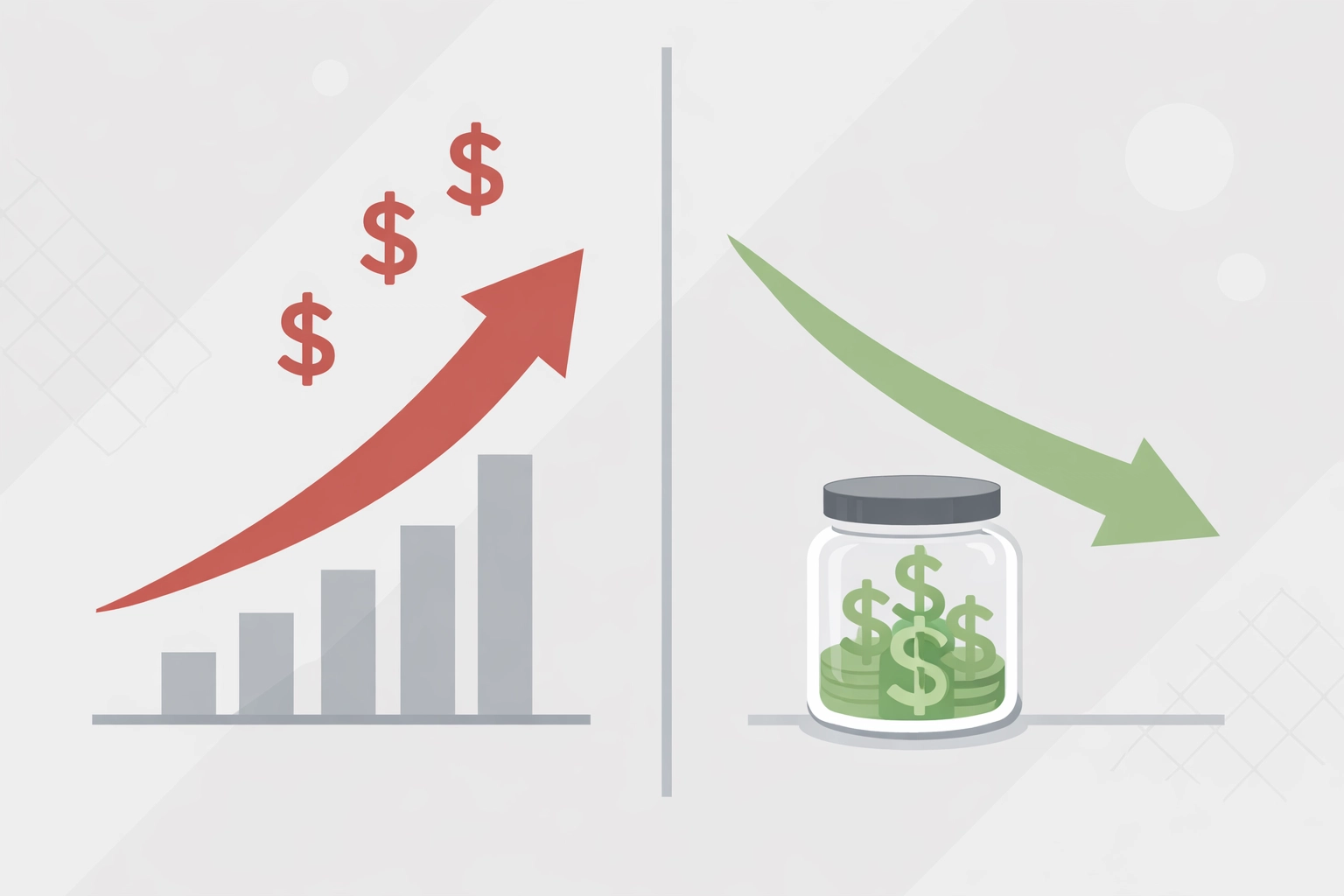
Let's break down a real scenario. You're bidding $2.00 per click with a Quality Score of 10. Your Ad Rank is 20. Your competitor bids $4.00 with a Quality Score of 4. Their Ad Rank is 16. You win the auction, secure a higher position, and pay less per click: even though they were willing to spend double.
That's not luck. That's structural advantage.
The Three Levers That Control Your Quality Score
Google calculates Quality Score using three weighted components, each contributing roughly one-third to your overall score:
Expected Click-Through Rate (CTR): Google predicts how likely users are to click your ad based on historical performance and relevance signals. If your ads consistently underperform CTR expectations, your score drops: and your CPCs climb.
Ad Relevance: How closely does your ad copy match the user's search intent? If someone searches "enterprise CRM software" and your ad talks about "small business tools," Google flags the mismatch. Irrelevant ads get demoted and cost more.
Landing Page Experience: This is where most advertisers fall apart. Your landing page must be directly relevant to the ad, load quickly, provide clear navigation, and deliver value to visitors. If users bounce immediately or struggle to find what they're looking for, Google penalizes your score: hard.
Here's the problem: most advertisers focus exclusively on the first two factors. They refine ad copy, test headlines, and obsess over keyword match types. But they send all that traffic to generic landing pages that weren't built for the specific search intent or offer promised in the ad.
The Financial Impact You're Not Calculating
Let's translate Quality Score improvements into actual dollars. If you're running a $10,000 monthly ad budget with an average Quality Score of 5, improving to a score of 8 cuts your CPC by roughly 30%. That's $3,000 in monthly savings: or $36,000 annually: without reducing spend or sacrificing volume.

But the ROI compounds beyond direct cost savings:
- Better ad positions at lower costs: Higher Quality Scores secure premium SERP placements, increasing visibility and click volume without bidding wars
- More conversions per dollar spent: Lower CPCs mean your budget stretches further, generating more clicks and conversions from the same investment
- Competitive displacement: You outperform higher-bidding competitors, capturing market share while they overpay for inferior positions
- Budget efficiency: Every dollar saved on CPC can be reallocated to testing new keywords, expanding campaigns, or scaling proven winners
The compounding effect is what separates campaigns that grow profitably from those that plateau at breakeven.
What You're Probably Ignoring (And Why It's Costing You)
Most advertisers make the same mistakes:
Neglecting landing page optimization: You can't send every ad group to your homepage and expect strong Quality Scores. Each ad needs a dedicated landing page that matches the search intent, headline, and offer. If your ad promises "free SEO audit" but the landing page buries that offer three scrolls down: or worse, doesn't mention it at all: Google flags the disconnect and your score tanks.
Treating Quality Score as static: Your Quality Score isn't set in stone. It fluctuates based on ongoing performance. That means CTR degradation over time: often caused by ad fatigue or seasonal shifts: will drag your score down if you're not continuously refreshing creative and testing new angles.
Ignoring mobile experience: If your landing pages aren't mobile-optimized (fast load times, clear CTAs, easy navigation), you're hemorrhaging Quality Score points. More than half of paid search traffic comes from mobile devices. A clunky mobile experience doesn't just hurt conversions: it actively increases your CPCs.
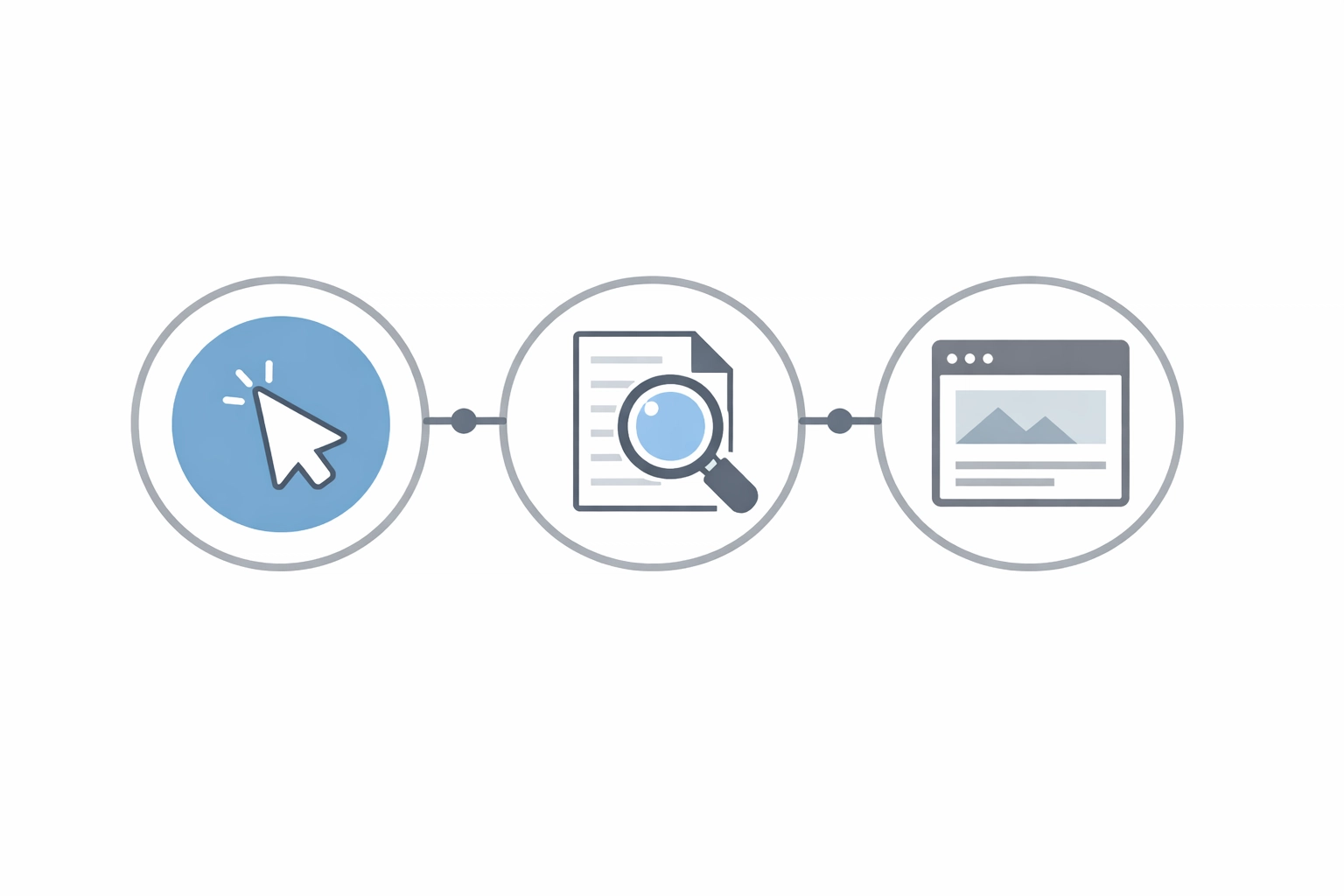
Keyword-to-ad-to-page misalignment: The entire funnel must be coherent. If someone searches "forensic SEO audit," clicks an ad about "technical SEO services," and lands on a page about "content strategy," Google sees that as three disconnected experiences. Your Quality Score reflects that chaos.
How to Fix Quality Score Issues (Without Burning Weeks on Trial and Error)
Improving Quality Score requires a structured approach: not random optimizations:
Audit your landing page experience first: This is the most neglected component and often the quickest win. Ensure every landing page is directly relevant to its ad group, loads in under 3 seconds, and provides clear value immediately above the fold. Use Google's own guidelines: unique content, transparent business information, easy navigation, and mobile responsiveness.
Segment ad groups tightly: Broad ad groups dilute relevance. Break campaigns into tightly themed ad groups (5–10 keywords max) so you can write hyper-relevant ads and send traffic to purpose-built landing pages.
Test ad copy relentlessly: Your expected CTR is based on historical performance, which means stale ads drag scores down. Rotate new creative regularly, test different value propositions, and retire underperformers before they poison your account history.
Monitor Quality Score trends, not snapshots: A single Quality Score number is meaningless without context. Track how scores change over time, identify patterns (seasonal drops, campaign-level issues), and respond before small problems become structural drags on performance. And as AI answers keep reducing click-through rates in both paid and organic, measurement can’t stop at CPCs and rankings—you also need visibility tracking for where (and how often) your brand shows up in AI-generated results. Tools like Citemetrix complement your Google Ads and SEO reporting by measuring AI visibility alongside traditional performance metrics.
Align internal search intent across the funnel: Map keywords to user intent (informational, navigational, transactional), then ensure your ad copy and landing pages match that intent precisely. Misalignment is the fastest way to burn budget on unqualified clicks that never convert.
The Strategic Advantage of Getting This Right
Quality Score optimization isn't just about lowering costs: it fundamentally reshapes your competitive position. When your Quality Scores consistently hit 8–10, you operate with a built-in cost advantage that competitors can't overcome by simply raising bids. You secure better placements, stretch budgets further, and generate more conversions per dollar spent.
That's why this isn't a one-time fix. It's an ongoing strategic discipline that requires continuous monitoring, testing, and refinement. And for most businesses: especially those running complex, multi-campaign accounts: it demands expertise that lives outside the typical marketing team's skill set.
At Expert SEO Consulting, we approach PPC management as a technical discipline, not a creative guessing game. We audit account structures, identify Quality Score bottlenecks, optimize landing page experiences, and continuously refine campaigns to maintain cost efficiency at scale. Whether you're a small business testing your first campaigns or an enterprise team managing six-figure monthly budgets, getting Quality Score right is the difference between profitable growth and expensive stagnation.
If your CPCs feel too high, your ad positions aren't where they should be, or you're unsure whether your campaigns are structured for Quality Score success: let's talk. We'll audit your account, identify the specific levers dragging your scores down, and build a roadmap to fix them. Because in Google Ads, the advertisers who win aren't the ones who bid the most( they're the ones who optimize the smartest.)
