The headlines are dramatic. "Google Found Guilty of Monopoly." "DOJ Seeks to Break Up Google." "The End of Search As We Know It."
Here's the thing: most business owners reading those headlines have one real question: what does this mean for my website's traffic and rankings?
The answer is more nuanced than the clickbait suggests. And if you approach this moment correctly, it's actually an opportunity to build a more resilient SEO foundation that performs regardless of what happens in the courtroom.
What the DOJ Ruling Actually Says (And What It Doesn't)
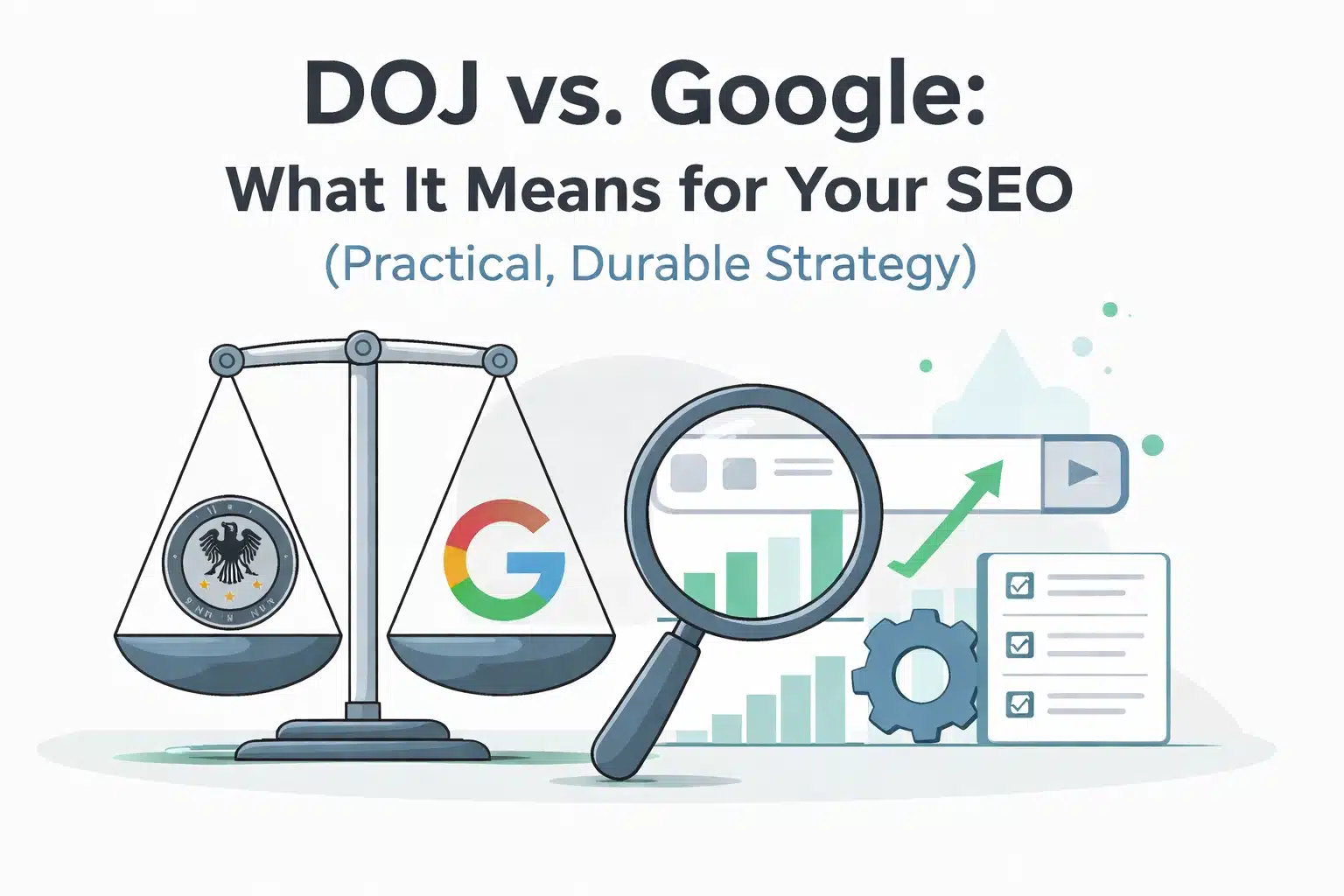
On August 5, 2024, a federal judge ruled that Google holds monopoly power in general search engine services and text advertising markets. The court found that Google violated antitrust law by using that power to suppress competition.
The critical detail most coverage glosses over: the case centered on Google's distribution agreements, not its search algorithm or ranking practices.
Specifically, the DOJ challenged how Google pays billions annually to be the default search engine on browsers like Safari and devices like iPhones. The ruling found these exclusive deals illegally maintained Google's dominance.
What the ruling did not address:
- How Google ranks websites organically
- Specific ranking factors or algorithm components
- How Google crawls, indexes, or displays search results
- Any requirements for transparency in ranking methodology
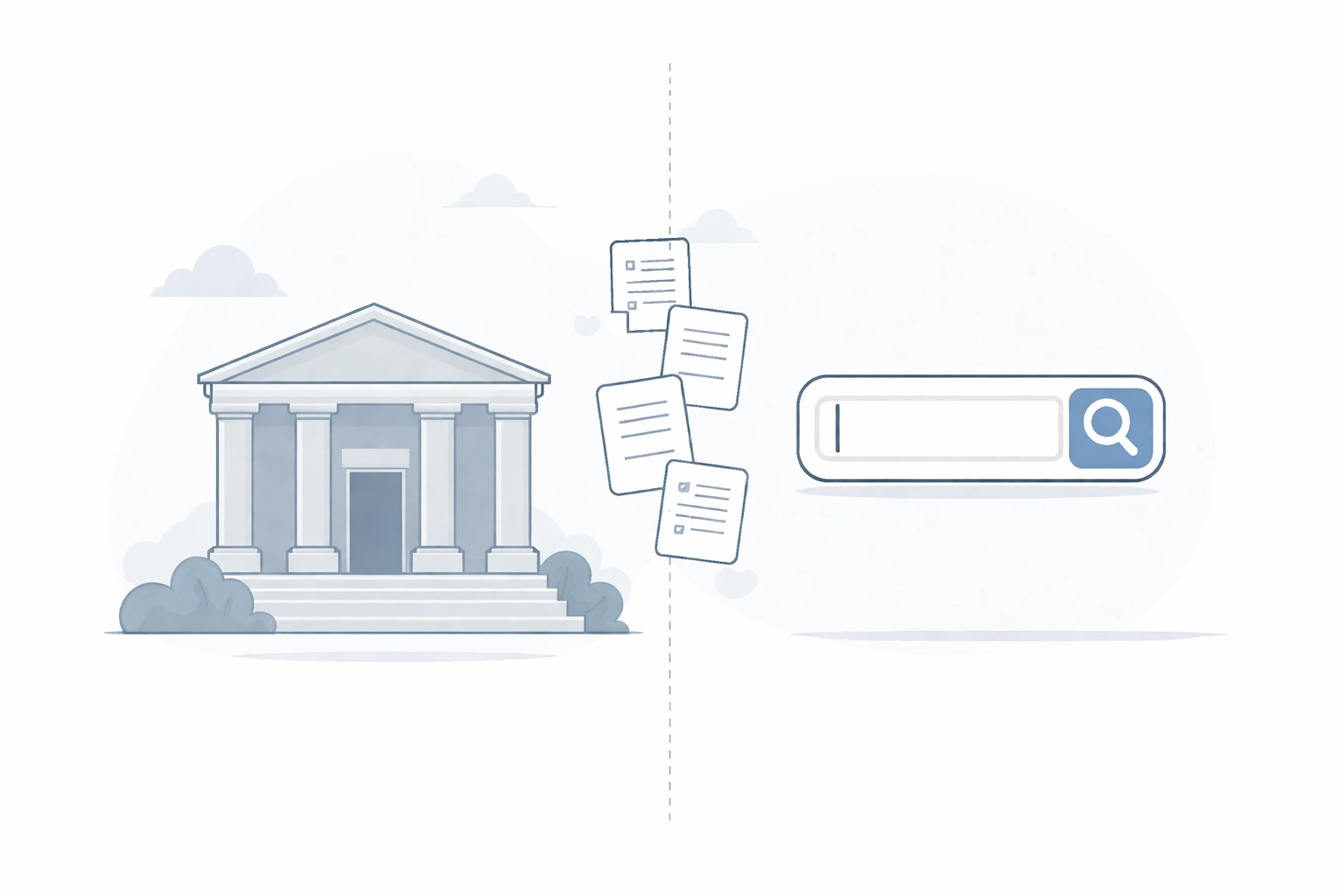
This distinction matters. The remedies being discussed: which could include forcing Google to divest Chrome or share search data with competitors: focus on market competition, not search quality signals. Google has argued that proposed remedies exceed the actual violations found, and finalized requirements remain uncertain as of early 2026.
Why This Still Matters for Your Business
Even though the ruling doesn't directly mandate algorithm changes, the uncertainty creates real strategic implications:
1. The search landscape is fragmenting.
Whether through regulatory action or market forces, Google's 90%+ search market share faces pressure from multiple directions: AI assistants, vertical search engines, and potentially new competitors empowered by forced data sharing. Businesses that rely exclusively on Google organic traffic carry concentration risk.
2. Google's defensive posture affects product decisions.
When a company faces existential regulatory scrutiny, its product roadmap shifts. Features that might reduce engagement (like sending users off-site quickly) become harder to justify internally. Expect Google to continue prioritizing features that keep users within its ecosystem: AI Overviews, Knowledge Panels, zero-click answers.
3. First-party data becomes a competitive advantage.
If future remedies require Google to share search data with competitors, the value of your own customer data increases. Businesses with direct audience relationships: email lists, customer databases, community platforms: gain independence from any single discovery channel.
The Durable SEO Approach: What Actually Matters Now
The businesses that thrive through regulatory uncertainty share a common trait: they build SEO foundations that work regardless of which search engine serves the query or how the SERP displays results.
Here's what durable SEO looks like in practice:
Technical Hygiene That Survives Any Algorithm
Clean technical foundations ensure your content is discoverable and indexable across any search platform: Google, Bing, AI assistants, or whatever emerges next.
This means:
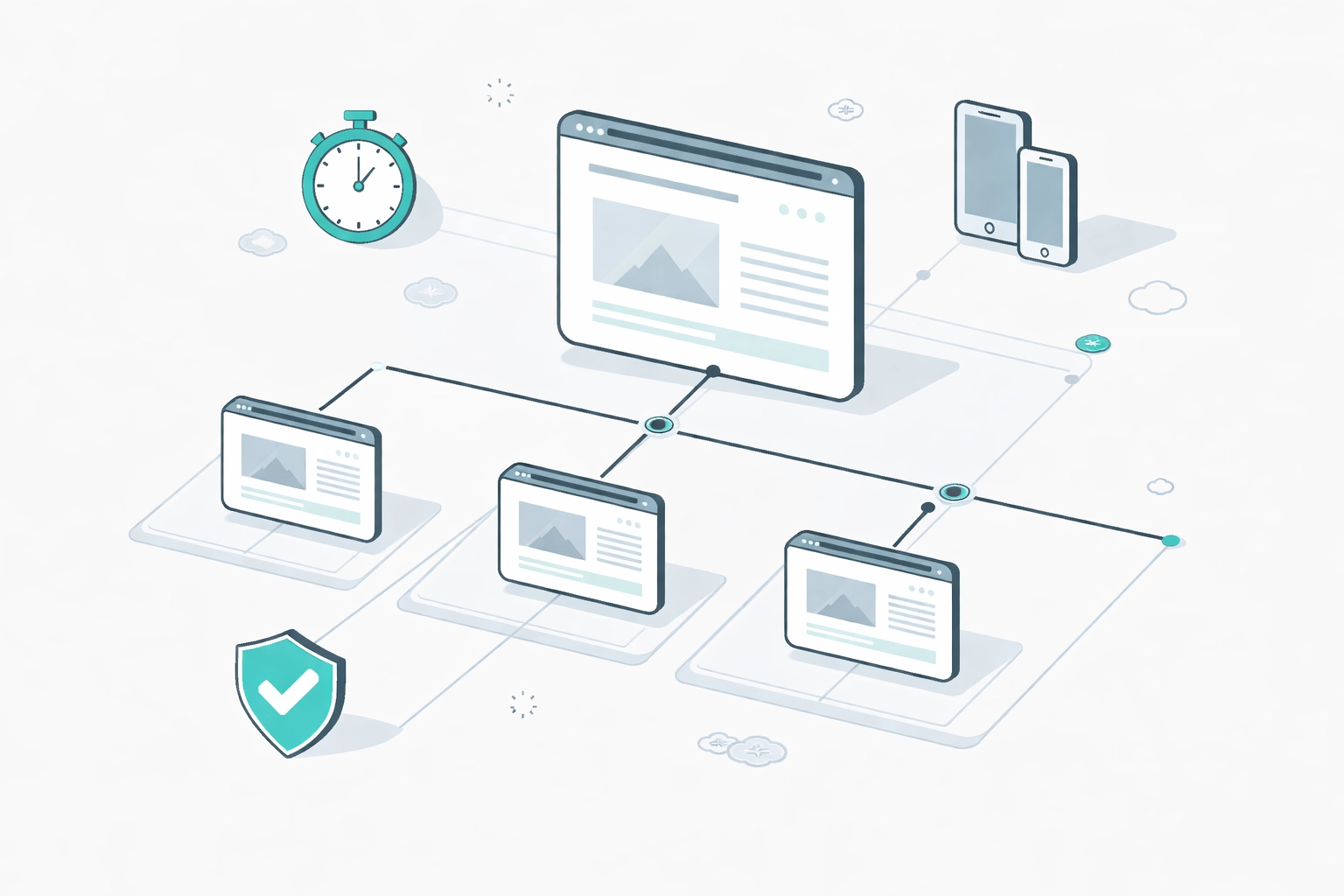
- Crawlable site architecture with logical URL structures
- Fast Core Web Vitals performance
- Proper canonical tags and redirect chains
- Structured data that helps any machine understand your content
- Mobile-first design that works across devices
Technical debt compounds over time. A comprehensive SEO audit identifies issues before they become traffic emergencies. If you haven't audited your technical foundation in the past 12 months, that's your first priority.
Content That Serves Humans First
Google's stated mission: organizing information to make it useful: won't change regardless of regulatory outcomes. Content that genuinely helps your target audience will perform across any search environment.
For B2B services specifically, this means:
- Depth over breadth. One comprehensive resource on a topic you own beats ten thin pages competing for attention.
- Original research and data. Information that can't be found elsewhere earns citations, links, and AI references.
- Clear, definitive answers. When someone searches for guidance in your expertise area, provide it without hedging.
- Entity clarity. Make it unmistakably clear what your company does, who it serves, and what outcomes you deliver.
A strategic content gap analysis reveals where your content library has holes that competitors: or AI overviews: are filling instead.
Brand and Entity Building
Here's a shift many businesses miss: in an AI-mediated search environment, brand recognition becomes a ranking factor in ways it wasn't before.
When an AI assistant summarizes options for "B2B marketing consultants," it draws from its training data and real-time search. Brands with strong entity signals: consistent NAP information, Wikipedia presence, industry publication mentions, authoritative backlinks: get referenced. Unknown brands get ignored.
Building entity authority requires:
- Consistent brand mentions across authoritative sources
- Structured data that explicitly defines your organization
- Press coverage, podcast appearances, and industry visibility
- Customer reviews and testimonials on relevant platforms
This isn't about gaming algorithms. It's about becoming genuinely recognized in your industry: something that benefits your business regardless of search mechanics.

First-Party Data and Diversified Acquisition
The DOJ case underscores a truth smart marketers already know: platform dependence is business risk.
Every visitor who arrives through organic search and leaves without joining your audience is a missed opportunity. Build systems that convert anonymous traffic into known contacts:
- Email newsletter subscriptions with genuine value
- Gated resources that justify contact information
- Community platforms you own and control
- Direct relationships with customers who will refer others
Simultaneously, diversify your acquisition channels. Organic search should be one pillar of your growth strategy, not the entire foundation.
Your "What to Do Now" Checklist
Regardless of how the DOJ case resolves, these actions build SEO resilience:
Immediate (This Month)
- ☐ Run a technical audit to identify crawl errors, indexation issues, and site speed problems
- ☐ Review your Google Search Console for manual actions or security issues
- ☐ Verify your structured data is implemented correctly across key pages
- ☐ Check that your brand's entity information is consistent across Google Business Profile, LinkedIn, and your website
Short-Term (This Quarter)
- ☐ Conduct a content gap analysis against top competitors
- ☐ Identify your top 10 organic landing pages and ensure each has a clear conversion path
- ☐ Build or optimize an email capture system that provides genuine value
- ☐ Audit your backlink profile for toxic links or missed opportunities
Ongoing
- ☐ Publish original research or data in your expertise area quarterly
- ☐ Pursue brand mentions in industry publications and podcasts
- ☐ Monitor AI overview citations for your key terms
- ☐ Track branded search volume as a leading indicator of market awareness
The Bottom Line
The DOJ vs. Google case creates uncertainty, but uncertainty isn't the same as crisis. The fundamentals of effective SEO: technical excellence, helpful content, brand authority, and audience relationships: remain constant regardless of regulatory outcomes.
Businesses that panic and chase algorithm shortcuts will struggle. Businesses that invest in durable foundations will thrive whether Google maintains dominance or the search landscape fragments into something new.
If your organic traffic has become uncomfortably dependent on a single platform, or if you're unsure whether your technical and content foundations will survive the next algorithm shift, now is the time for an honest assessment.
Book a consultation to discuss your specific situation. We'll review your current SEO health and identify the highest-impact opportunities to build a more resilient organic presence: one that performs regardless of what happens in Washington.