Eric Richmond is a (recovering) rock and roll roadie and President of Expert SEO Consulting, a Connecticut-based digital marketing consultancy he founded in 2006. With nearly two decades focused on organic search, Eric now specializes in AI search optimization — helping businesses get cited and recommended by ChatGPT, Perplexity, Google AI Overviews, and other generative platforms. He is also the creator of CiteMetrix, an AI citation tracking platform, and Chatly, an AI-powered chatbot for WordPress. Before Expert SEO Consulting, Eric held senior roles at Complex Media, TechMediaNetwork, 360i, and Grey Interactive, and has spoken on search optimization at SMX, SES, HSMAI, and MTMP. He serves on the Board of Directors of the Internet Oldtimers Foundation and is a founding Board Member of the US Internet Pioneers Foundation. A lifelong car enthusiast, Eric is the founder of Cars and Coffee Darien — held at the historic starting line of the 1979 Cannonball Run — and Cars and Coffee Events, the largest car and motorcycle event listing website in the US. He is an accredited member of the International Motor Press Association, and on weekends you can often find him and his Mazda Miata on the track at Lime Rock Park.
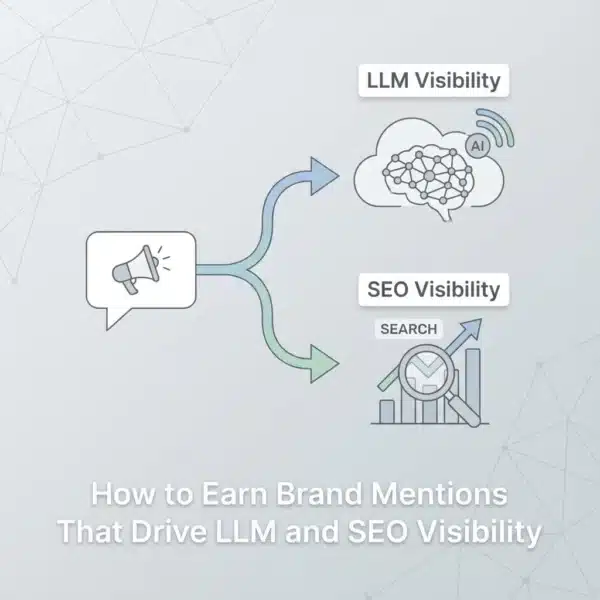
Brand mentions are no longer just a nice-to-have metric for your marketing dashboard. With 85% of searches now happening through AI-powered engines like ChatGPT, Claude, and Google's AI Overviews, unlinked brand mentions have become the primary currency for digital visibility. Here's the reality: if AI models aren't referencing your brand in their responses, you're essentially…
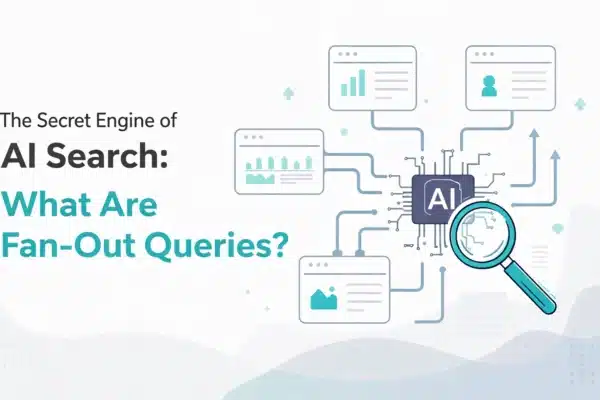
Here’s the thing: the way AI search engines find and deliver information has fundamentally changed, and most content creators have no idea it’s happening. When you type a query into Google’s AI Mode, ChatGPT, or Perplexity, you’re not just triggering a single search. You’re launching an entire fleet of searches. Behind the scenes, artificial intelligence…
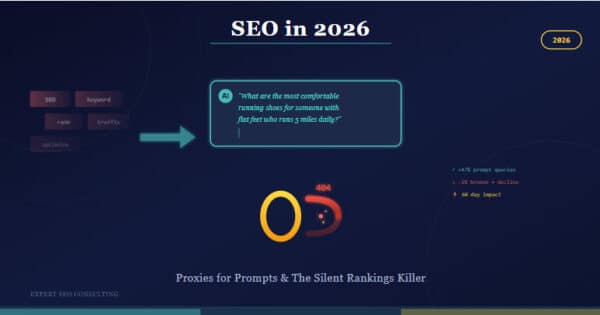
Traditional SERP visibility is no longer the only measure of SEO success. In 2026, winning organic search requires tracking brand mentions in AI overviews, measuring entity performance, and monitoring trust signals across multiple platforms where your audience discovers content.
As we head into 2026, two critical factors are determining which websites thrive and which disappear from search visibility: understanding how audiences actually search in the AI era, and maintaining technical excellence through proper link management. These aren’t nice-to-have optimizations anymore: they’re essential for survival. The rise of AI-powered search has completely transformed user behavior.…
Traditional SEO is fundamentally broken for 2026. When AI overviews dominate search results, users click through to traditional websites only 8% of the time. The game has changed from optimizing for clicks to optimizing for citations: and most businesses are completely unprepared. Here’s the uncomfortable truth: AI systems now summarize and cite content rather than…
The AI search landscape has produced a bewildering maze of contradictory statistics that's leaving marketers scratching their heads. One study claims only 25% of #1 rankings appear in AI Overviews, while another reports a 33.07% chance of AI citation for top positions, and yet another suggests 87.6% of AI Overviews feature Position 1 results. Here's…
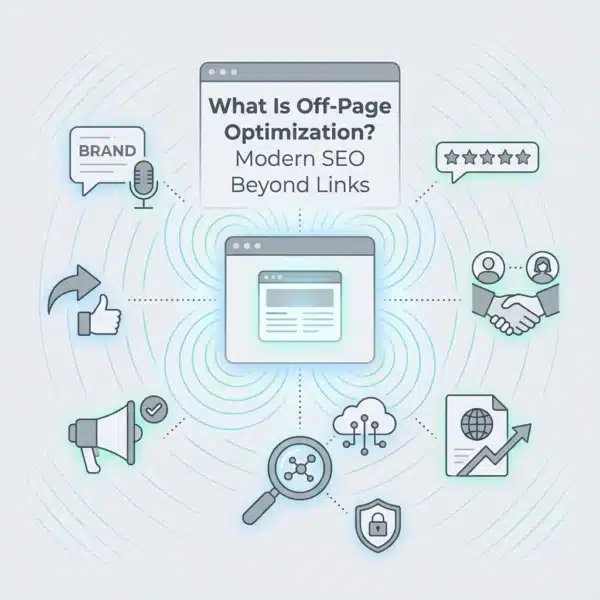
Here's the reality: 67% of SEO professionals report that off-page optimization contributes to over half of all ranking factors, yet most businesses are still stuck in 2015 thinking that link building is the only game in town. That outdated approach is no longer just ineffective: it's actively hurting your search visibility in 2026. The search…
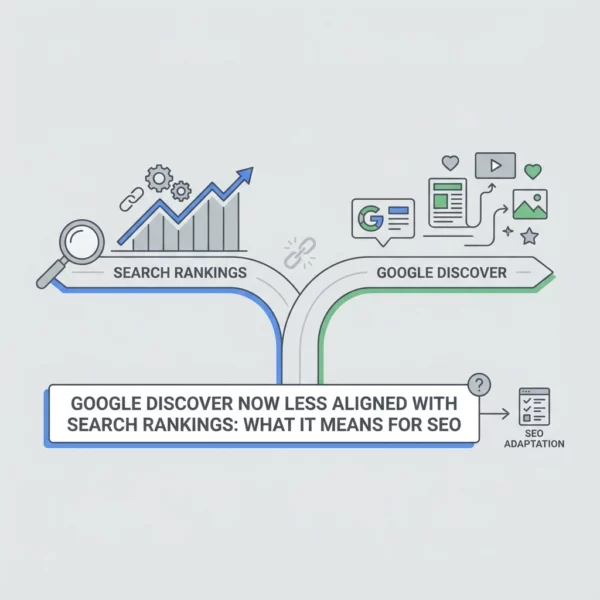
Google just fundamentally changed how content gets discovered: and 87% of SEO professionals are still operating under outdated assumptions. At Google Search Central Live in Zurich, Google’s Trust and Safety team dropped a bombshell that’s reshaping the entire digital marketing landscape: Google Discover now operates with “minimal alignment to search ranking.” This isn’t a minor…
Google's December 2025 core update has fundamentally changed the search landscape, delivering a decisive blow to thin content across the web. Starting December 4th and completing its rollout over approximately 12 days, this algorithm update has sent shockwaves through the SEO community: particularly for e-commerce sites that relied on minimal-value pages to capture search traffic.…
That blog post you published two years ago? The one that used to rank on page one and drive hundreds of visitors every month? It’s probably dying a slow death right now. Welcome to content decay—the silent killer of organic traffic. What Is Content Decay? Content decay happens when previously high-performing content gradually loses its…