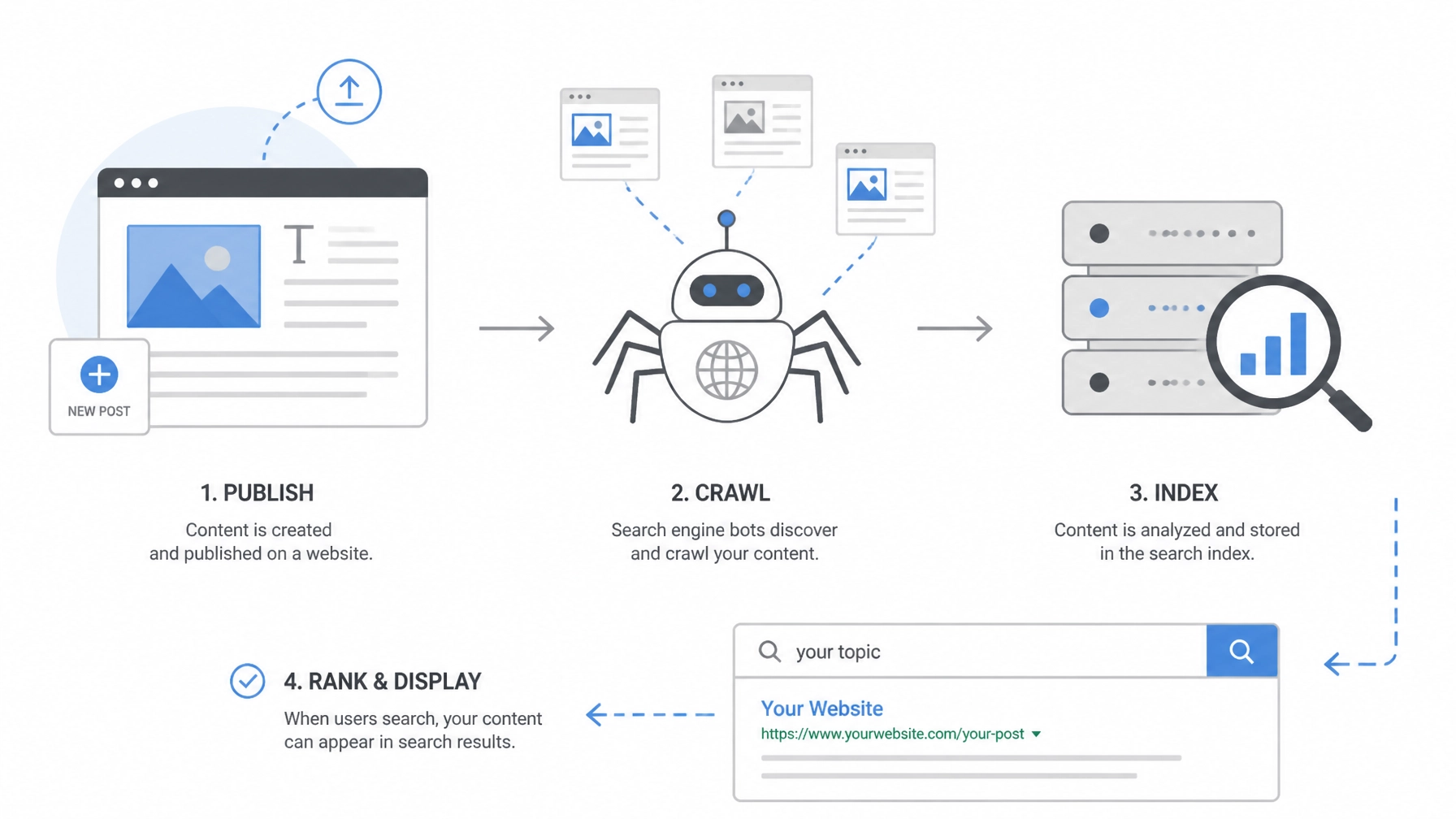
For over two decades, the digital publishing pact was simple: create authoritative, high-quality content, let search engine crawlers index it, and reap the rewards of massive organic referral traffic. Today, that foundational agreement has fractured beyond repair. Major media outlets, independent publishers, and digital enterprises are actively weighing an unprecedented nuclear option: blocking Google search crawlers entirely.
Recent industry data underscores the urgency driving this rebellion. According to traffic analytics tracking from platforms like Semrush, top-tier publishers have experienced staggering year-over-year organic traffic declines: with outlets like USA Today seeing drops of roughly 50%, CNN down 25%, and digital properties like Business Insider plunging over 85%. When search engines transition from sending visitors to your front door to summarizing your entire report inside an AI-generated snippet, the traditional value exchange evaporates.
Understanding this seismic shift is no longer optional for businesses that rely on organic visibility for survival. Below, we examine why publishers are rebelling, what technical battles are defining this conflict, and how modern brands must restructure their SEO and syndication strategies to thrive.
1. The Anatomy of the Publisher Rebellion: Broken Pacts and Plummeting Referrals
The root cause of the publisher rebellion is simple economics. For years, advertising revenue and subscription conversions depended heavily on clicks originating from search engine results pages (SERPs). When Google rolled out generative AI features like AI Overviews, user behavior shifted instantly. Searchers now receive comprehensive answers directly on the results page without ever needing to click through to the source website.

This dynamic creates a profound free-rider problem. Publishers invest heavily in investigative reporting, domain expertise, and original research, while search engines utilize that exact material to train proprietary models and answer user queries autonomously.
Key pressures fueling publisher frustration include:
- Value Extraction Without Compensation: Content is harvested for generative answers while referral traffic dwindles.
- Algorithmic Volatility: Frequent core and AI updates make traffic forecasts increasingly unpredictable.
- Loss of Audience Ownership: Direct engagement metrics decline as users remain inside the search engine interface.
For brands operating commercial websites, this means that legacy SEO playbooks focused solely on keyword rankings and traditional blue links are fundamentally outdated.
2. The Impossible Choice: Indexing vs. AI Training and Robots.txt
Publishers attempting to regain control face a complex technical landscape. Historically, search engines used a single primary crawler: such as Googlebot: to both index web pages for search results and ingest data for AI model training. Blocking that crawler meant complete removal from search visibility, an unacceptable loss of visibility for most commercial enterprises.
To navigate this tension, publishers are leveraging selective blocking mechanisms:
- Google-Extended Opt-Outs: Many major media organizations block Google-Extended via
robots.txtto prevent their proprietary writing from training generative models while maintaining traditional search indexing. - Infrastructure-Level Firewalls: Platforms like Cloudflare have introduced defaults that block multi-purpose scraping bots on ad-supported pages, highlighting a growing industry appetite for defensive boundaries.
- The Threat of Total Isolation: Publications like USA Today, Reuters, and Politico have openly discussed or weighed blocking Googlebot entirely if fair-compensation or licensing frameworks are not established.
While a total blockade remains a severe negotiating lever rather than an industry-wide standard, the willingness of major sites to even consider cutting off Google signals a permanent cultural shift in web publishing.
3. What This Means for Brands Relying on Syndication and Traditional SEO
If elite publishers are questioning their dependence on search engines, corporate brands and e-commerce enterprises must evaluate their own digital vulnerabilities. Companies that rely heavily on content syndication, guest posting, and traditional link-building face distinct new risks.
When syndication partners or aggregators get squeezed by algorithmic shifts, downstream visibility suffers. Brands can no longer assume that publishing content on an authoritative third-party domain guarantees steady referral streams. Instead, organizations must build resilient, diversified acquisition channels that withstand platform volatility.
Strategic shifts required for modern brands include:
- Diversifying Traffic Sources: Cultivating strong direct channels, newsletters, community-driven engagement, and referral partnerships.
- Optimizing for Multi-Engine Discovery: Ensuring brand presence across diverse ecosystems, including specialized search engines and emerging AI assistants.
- Refining Technical Foundation: Partnering with experts to execute rigorous SEO Audits that uncover hidden crawl inefficiencies and protect index health.
4. Measuring What Matters: Tracking AI Visibility Beyond the SERP with CiteMetrix
As traditional rank-tracking tools lose their monopoly on performance measurement, marketers need new instrumentation to understand how their brand appears in generative environments. This is where advanced AI visibility platforms like CiteMetrix become essential for modern SEO.

CiteMetrix monitors how brands and content are cited across major AI assistants and search engines (such as ChatGPT, Perplexity, Claude, and Gemini), turning visibility data into actionable intelligence:
- Citation Rate & ModelScore™: Track the precise percentage of category-relevant prompts where your brand is cited as an authoritative source, utilizing unified scoring models to measure progress over time.
- URL-Level Source Tracking: Identify which specific pages on your domain are being referenced by AI models, allowing you to double-down on high-performing assets.
- Brand Sentiment & Positioning Analysis: Uncover whether AI assistants describe your products and services accurately, ensuring your digital reputation remains pristine.
As explored in our deep-dive analysis on how an AI citation tracker strengthens your search visibility, monitoring these citation graphs is essential for maintaining authority in an AI-first search economy.
5. Strategic Recommendations: How to Navigate the Shift with Expert SEO Consulting
The publisher rebellion is a symptom of a deeper, irreversible evolution in how information is discovered, summarized, and consumed. Standing still is not a viable strategy. Businesses must proactively adapt their digital frameworks to protect their organic equity and capture new forms of search visibility.

To successfully navigate this new environment, Expert SEO Consulting recommends the following action plan:
- Audit Your Current Search Exposure: Diagnose traffic losses and evaluate whether your content is optimized for both traditional algorithms and generative AI extraction. Explore our specialized SEO Tools & Support to build a robust technical foundation.
- Optimize Content for Semantic Grounding: Structure your web pages with clear data markup, authoritative research citations, and concise summaries that AI engines naturally want to cite.
- Build True Topical Authority: Move beyond keyword stuffing by developing comprehensive content hubs that establish your business as the definitive industry resource.
- Partner with Proven Strategists: Navigate algorithm updates and recovering traffic dips with guidance from experienced professionals who understand the nuances of modern search.
Are you ready to future-proof your digital presence and turn the changing search landscape into your competitive advantage? Book a consultation with our expert team today to discuss a customized SEO strategy tailored to your business goals.