You have likely spent thousands of dollars: or hundreds of hours: crafting "good content." You’ve hired subject matter experts, optimized for keywords, and polished every sentence until it gleams. Yet, when you look at your analytics, the traffic isn’t there. Worse, you see a competitor with thinner, drier content being cited by Google’s AI Overviews while you are left in the "blue links" graveyard.
It is a frustrating reality: in 2026, being a great writer is no longer a guarantee of search visibility. The fundamental architecture of the internet has shifted from retrieval to synthesis.
Roughly 60% of Google searches now end without a single click because the user gets their answer directly from an AI-generated summary. Even if you hold the coveted #1 spot, studies show that when an AI Overview is present, your click-through rate can plummet by as much as 58%. The gatekeepers have changed, and they aren’t looking for a "good read": they are looking for data they can digest and redistribute.
From Retrieval to Synthesis: The Death of the "Ten Blue Links"
For two decades, SEO was about retrieval. Google was a librarian; you wrote a book, and Google told people which shelf to find it on. If your book was "good," it moved to the front of the library.
Today, Google has stopped being a librarian and started being a research assistant. Instead of sending users to your site to find an answer, Google’s AI agents (and platforms like Perplexity and ChatGPT) read your content, pull out the facts, and synthesize them into a single, cohesive response.

If your content is a beautiful, flowing narrative that hides its facts inside long paragraphs, the AI agent will likely skip you. It isn't because your content is "bad": it’s because it’s "opaque" to a machine. This shift has birthed a new discipline that is now essential for survival: Agentic Engine Optimization (AEO).
Why "Good" Content is the Enemy of Machine Discovery
Most marketers make the mistake of writing for humans first and machines never. They assume that if a person likes the content, Google will eventually reward it. But AI synthesis engines don't "read" like humans. They scan for entities, relationships, and structured signals.
When we perform an AI Search Readiness Audit, we often find that the highest-quality articles on a site are the least visible to AI. Why? Because "good" content often suffers from:
- Ambiguous Pronouns: AI struggles when you use "it" or "they" instead of specific nouns.
- Narrative Flourish: Flowery introductions and clever metaphors are noise to a synthesis engine.
- Fragmented Data: Facts buried in deep paragraphs instead of clear, extractable lists or tables.
If a machine cannot confidently extract a fact from your page in milliseconds, it will move on to a competitor who has made that fact undeniable. This is why a Forensic SEO Audit is often necessary to diagnose why a historically "strong" site is losing ground to AI-first competitors.
The AEO Strategy: How to Make Your Content "Agent-Ready"
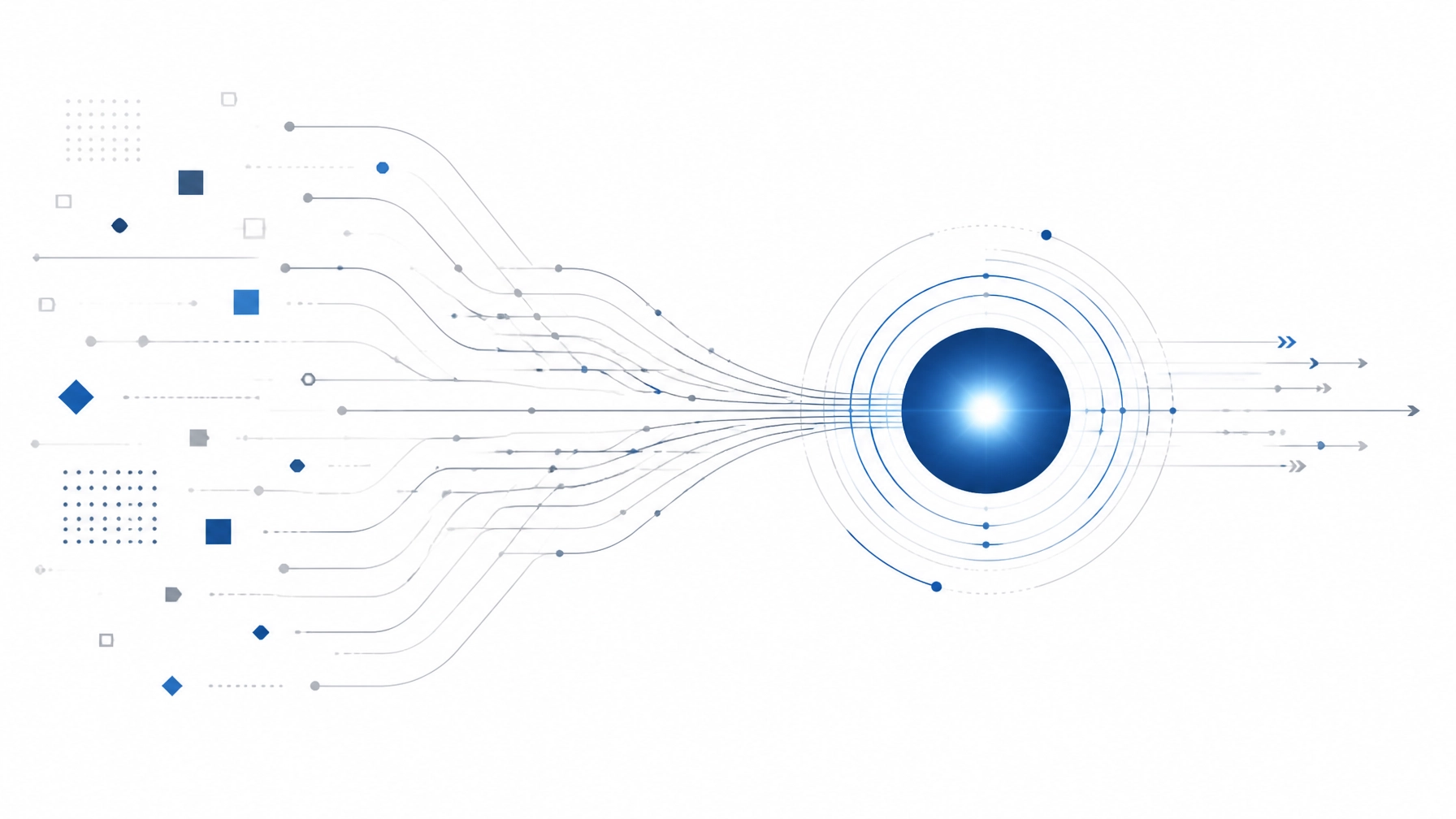
Agentic Engine Optimization is the process of making your content digestible for AI agents and answer engines. It is a layer that sits on top of your traditional content strategy, transforming narrative prose into a series of verifiable data signals.
1. Entity-First Writing
AI engines view the world as a graph of "entities" (People, Places, Things, Concepts). To win in AEO, you must explicitly link your content to known entities. Instead of saying "Our software helps teams," say "Expert SEO Consulting’s proprietary AI SEO tools help marketing teams reduce zero-click losses." You are giving the machine a concrete anchor to latch onto.

2. The Power of "Micro-Answers"
In an era where voice search and AI Overviews dominate, you need to provide "micro-answers." These are concise, factual statements (typically 40-60 words) that answer a specific question. By placing these answers at the top of your sections, you are essentially handing the AI a script to read to the user.
3. Advanced Schema and Metadata
Traditional meta descriptions were for humans to click on. AEO metadata is for machines to reason with. Using advanced Schema.org markup is no longer optional; it is the fundamental language of the AI-driven web. If you aren't using technical SEO to tell Google exactly what your page is about, you’re asking the AI to guess: and AI doesn't like to guess when it’s providing a definitive answer.
The Click Gap: Visibility Without the Visit
We have to face a hard truth: winning in search today might not always mean a "session" in your analytics. If your brand is cited as the source in a Google AI Overview, you might not get the click, but you’ve earned something more valuable in a crowded market: Authority.
When an AI agent recommends your product or cites your study, it builds a subconscious brand preference. The next time that user needs a service, they won't go to search: they’ll go straight to you. This is the goal of modern link building: building topical authority and relevance that AI models recognize as trustworthy.

Don't Let Your Best Work Go Unseen
The search landscape has fundamentally changed, and the "Content is King" mantra has been replaced by "Data is the Kingmaker." If you continue to produce content using a 2019 playbook, you will continue to lose traffic to competitors who are optimizing for the agentic era.
At Expert SEO Consulting, we specialize in helping businesses bridge the gap between "good content" and "AI-visible content." Whether you need a comprehensive SEO Audit to identify technical blockers or a full content optimization strategy for AI, we have the experience and the proprietary tools to ensure your voice isn't lost in the synthesis.
The transition to AI search isn't coming: it’s here. Is your website ready to be the answer, or is it just another link on page two?
Book a Consultation with our expert team today and ensure your content remains essential in the AI search era.