Think about the last time you searched for a quick fact, a weather update, or a nearby business’s hours. Did you actually click on a website? Probably not. You got your answer directly from the Google Search Results Page (SERP), closed the tab, and moved on with your day.
This isn't just a personal habit; it's a fundamental shift in the digital landscape. As of 2026, 64.82% of Google searches now end without a single click to a third-party website. We have officially entered the "Zero-Click" era, and if your SEO strategy is still solely focused on driving traffic to your homepage, you are fighting a losing battle.
The goal of SEO has fundamentally changed. It is no longer just about "getting the click." It is about winning the memory. In a world where Google provides the answers directly, your brand’s survival depends on one thing: Brand Recall.
The Death of the Traditional Click
For nearly two decades, the formula was simple: Rank high, get the click, convert the visitor. But the rise of AI-powered search has shattered that pipeline.
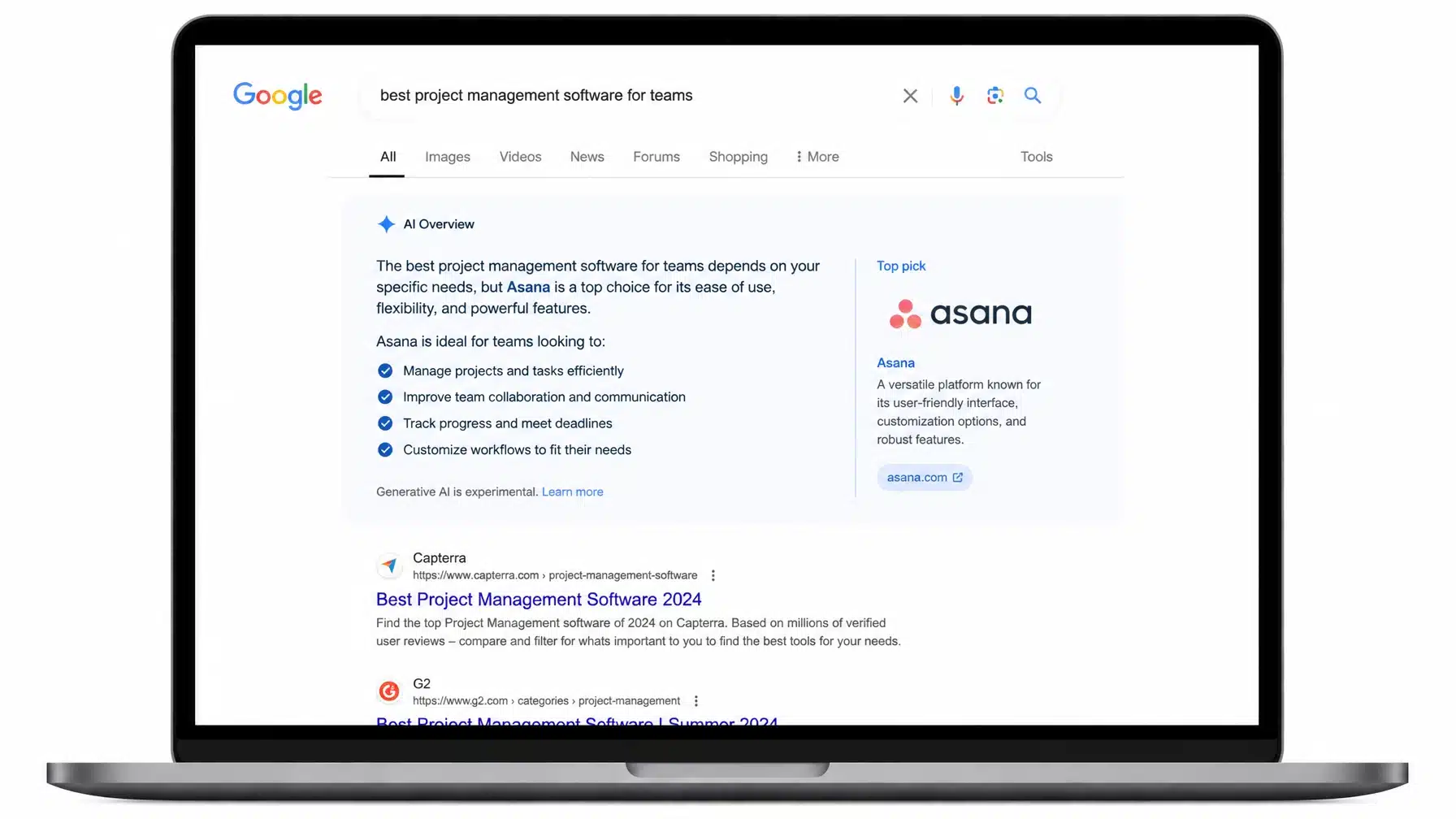
According to recent data, AI Overviews (formerly SGE) now account for 58% of Google searches. When these AI modules appear, zero-click behavior spikes: jumping from an average of 56% to a staggering 69%. Google has essentially become a "destination" rather than a "doorway."

This shift is no longer optional to acknowledge; it is essential for survival. When the user doesn't visit your site, the only value you extract from that search is the impression of your brand name. If they see your brand cited as the authoritative source for the answer they just received, you’ve won a "share of mind." If they don't see your name, or if they see it and immediately forget it, your SEO effort was for nothing.
What is "AI Brand Recall"?
"AI Brand Recall" is a new success metric that measures whether a user remembers your brand after seeing it mentioned in an AI answer, a featured snippet, or a knowledge panel: even if they never clicked.
In the old world, a search impression without a click was a failure. In the new world, it’s a branding opportunity. If a user asks, "What is the best forensic SEO audit service?" and Google’s AI cites Expert SEO Consulting as the authority, that user may not click immediately. However, the next time they experience a traffic drop, who are they going to search for by name?
This is why visibility is decoupling from clicks. You can have a massive influence on a consumer’s decision-making process without ever seeing them in your Google Analytics "Organic Sessions" report.
The Strategy: How to Win When Nobody Clicks
If the click is disappearing, how do you stay relevant? You have to pivot from a traffic-first strategy to an entity-first strategy. Here is exactly what you need to do to dominate the zero-click environment.
1. Own the Entity, Not Just the Keyword
Search engines no longer see "keywords"; they see "entities" (people, places, things, and brands). To win in AI search, you must establish your brand as a definitive entity in your niche.
- Consistent Brand Signals: Ensure your brand name, address, and mission are identical across your website, social profiles, and third-party directories.
- Schema Markup: This is "no longer optional." You must use Organization, Person, and FAQ schema to tell Google exactly who you are and what you know. This makes it easier for AI to cite you correctly.
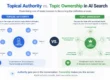
- Topical Authority: Stop writing shallow blog posts on a dozen different topics. Pick one area: like Organic SEO: and go deep. AI models favor brands that demonstrate a "moat" of specialized knowledge.
2. Optimize for the "Snippet and Cite"
Since AI Overviews are pulling information from the top results, you need to structure your content so it is "AI-friendly."
- The "Lead" Paragraph: Answer the core question of your article in the first 2-3 sentences. Use definitive, declarative statements.
- Bullet Points and Tables: AI loves structured data. If you’re comparing SEO audits, use a table. If you’re listing steps, use a numbered list.
- Cited Authority: Google’s AI is more likely to name-drop brands that are frequently cited by other authoritative sites. This is where Link Building becomes a brand-building tool rather than just a ranking signal.

3. Focus on "Branded Search" Growth
The ultimate goal of zero-click visibility is to drive future Branded Searches. If someone sees you in a snippet today, you want them to type "Expert SEO Consulting" into the search bar tomorrow.
- Measure Success Differently: Stop obsessing over total organic traffic. Instead, track the growth of your branded search volume. If your brand name is being searched more frequently, your zero-click strategy is working.
- Direct Traffic: A rise in direct traffic is often a "hidden" result of strong on-SERP visibility. People remember you, then type your URL directly into the browser.
The New SEO Cycle: From Click to Recall
We are moving away from the linear "Search -> Click -> Convert" model. The new cycle is circular: Visibility -> Recall -> Preference -> Branded Search.

If you are a B2B business with a long consideration journey, this is actually an advantage. Being cited as a trustworthy source by an AI engine builds credibility that a simple display ad never could. In a zero-click world, authority is the new currency.
No Longer a "Possibility" : It's the Reality
The search landscape has fundamentally changed. You can either continue to optimize for a version of the internet that no longer exists, or you can adapt to the reality of 2026.
At Expert SEO Consulting, we’ve spent nearly 20 years helping businesses navigate algorithm updates. We know that when Google changes the rules, the winners are the ones who stop chasing the "old way" and start building for the "now." Whether it’s through a comprehensive SEO audit or a targeted AI SEO strategy, we help you ensure that even when users don't click, they remember your name.
What You Need to Do Next
If your organic traffic has been sliding despite your best efforts, you might be a victim of the zero-click shift. It’s time to stop guessing and start measuring what actually matters.
- Audit your SERP presence: How often does your brand appear in AI Overviews for your target keywords?
- Review your Schema: Are you giving search engines the structured data they need to cite you?
- Analyze your Branded Search: Is your brand name becoming more or less popular?
Don't wait until your competitors have already captured the "share of mind" in your industry. The shift is happening now.
Ready to dominate the new search era? Book a consultation with our expert team today and let’s build a strategy that makes your brand impossible to forget.